The West Chicago moratorium on new data centers and battery energy storage systems was approved by the City Council on July 20, 2026, and remained in effect as of September 8, 2026. According to the city, the council unanimously approved Ordinance No. 26-O-0011, creating a 180-day pause on new approvals while officials review concerns tied to electricity demand, water supply, noise, fire safety, emergency response, environmental effects, and compatibility with nearby uses city notice.
For residents, the civic question is not simply whether data centers should exist in West Chicago. The issue is how the city evaluates large technical facilities before they are approved, what standards should apply, and how neighbors can see the public record while decisions are still being shaped. The temporary pause gives City Hall, residents, property owners, emergency responders, and utility stakeholders a defined window to study those questions before new projects move forward.
What The West Chicago moratorium Changed
What The Council Approved
The ordinance created a 180-day temporary halt on new data center and battery energy storage system approvals across all zoning districts in West Chicago. The city said the pause took effect immediately after approval on July 20, 2026, and is scheduled to expire on January 16, 2027, unless city officials extend it. During the pause, the city generally may not grant final permits or approvals for new covered projects.
The city’s action did not stop every project connected to data-center development. The city said projects approved before the effective date, or projects that submitted a complete application before the moratorium took effect, may continue through the review process. The same city notice stated that a data center already under construction on West Washington Street was not affected by the pause.
Under the West Chicago moratorium, residents have a clearer civic checkpoint. Instead of reviewing each proposal project by project without a broader policy discussion, the city created time to examine standards that may apply to future facilities. That includes both data centers and battery energy storage systems, often called BESS, because the city placed both types of uses inside the same temporary review period.
West Chicago moratorium Timeline
The timeline matters because it sets the limits for public review. The council vote occurred on July 20, 2026. The pause began that same day. The scheduled end date is January 16, 2027, unless the council acts again. City project materials also stated that an online public survey about data centers and battery energy storage systems closed on August 26, 2026, was briefly reopened on August 28, 2026, and closed again on September 4, 2026.
The survey closure does not end the public process. Residents can still follow posted agendas, committee discussions, staff reports, and any future council action connected to local standards. A moratorium is a pause, not a final policy. The civic value of that pause depends on whether residents can see what information the city gathers and how that information affects any proposed rules.
Why Residents Raised Environmental Questions
Utility And Water Concerns
The city identified several concerns behind the West Chicago moratorium, including possible demands on the electrical grid and water supply. Those issues are especially relevant for local review because data centers can require large amounts of power and cooling capacity. The city’s notice did not publish a project-by-project environmental analysis in the cited announcement, so residents should be careful not to assign specific impacts to any single future site without public records that support that claim.
A fair review should separate confirmed local facts from broader concerns. The confirmed city action is the temporary pause. The confirmed reasons listed by the city include electricity demand, water supply, noise, fire safety, emergency readiness, environmental effects, and nearby land-use compatibility. The details of any future standards will need to come through city documents, public meetings, and ordinance language.
Noise, Fire Safety, And Emergency Readiness
Noise and emergency response questions deserve public attention because they connect land use with daily neighborhood conditions and municipal service capacity. The city included noise, fire safety, and emergency response readiness among the concerns prompting the pause. Those topics may involve more than zoning labels. They can involve site layout, equipment location, fire suppression planning, access routes, inspections, and coordination with responders.
Residents can ask practical questions without turning the issue into a partisan fight: What standards will apply near homes or other sensitive uses? What information will developers need to provide before approval? How will emergency agencies review proposals? Will future city materials explain why a project meets or fails local standards? Those questions keep the focus on records, process, and public accountability.
How Aurora’s Experience Informed The Discussion
A Nearby Example For West Chicago
West Chicago has also looked at nearby Aurora’s experience. The Daily Herald reported that Aurora imposed its own 180-day moratorium on new data centers in September 2025 and later adopted ordinances in March 2026 addressing performance standards, environmental protections, transparency, and other guardrails Daily Herald report.
That comparison is useful because Aurora faced public concerns similar to those listed in West Chicago’s city materials. The Daily Herald reported that residents in Aurora cited concerns about increased utility bills, water consumption and quality, high energy use, air pollution, and noise during that city’s process. West Chicago does not have to copy Aurora’s rules, but the nearby example shows one way a moratorium can lead to written standards rather than case-by-case debate alone.
The West Chicago moratorium should be judged by what the city does with the time it created. If officials produce clear standards, public-facing explanations, and a record residents can review, the pause will have served a civic purpose. If the discussion stays vague, residents may have a harder time understanding how future projects will be measured.
How Residents Can Track The Review
Records To Watch
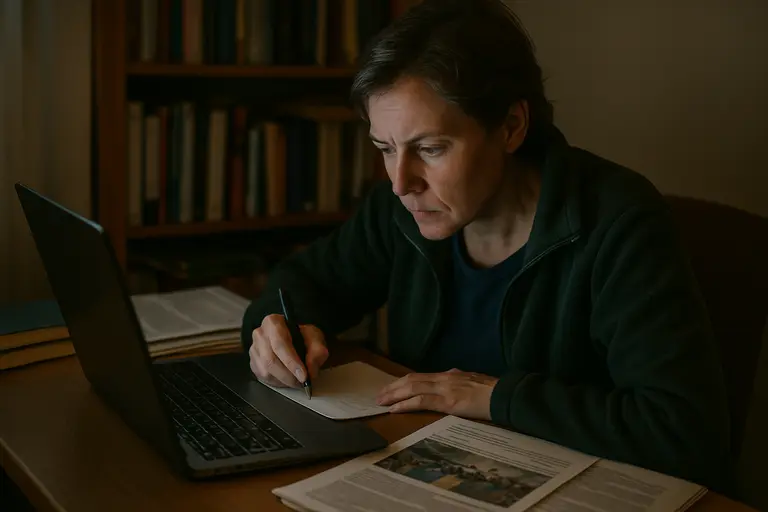
Residents who want to stay involved should focus on official city records. Meeting agendas show when an item is scheduled. Staff reports and packets can explain the options before council members. Ordinance drafts show the actual standards under consideration. Minutes and recordings, when available through city channels, help residents see what was discussed and what action was taken.
- Check City Council agendas for data center or BESS items before each meeting.
- Read staff reports for proposed zoning, safety, environmental, or permit standards.
- Compare any future ordinance draft with the concerns listed by the city on July 20, 2026.
- Submit comments through official city channels when an item is open for public input.
Residents who follow regional civic action can also find valuable community organizing resources through One United Michigan. Local participation works best when neighbors read the same public documents, ask specific questions, and keep the discussion tied to city authority and verified records.
Questions For Future Hearings
The most useful questions are specific. Residents might ask whether future applications will need information on expected electricity demand, water use, sound levels, fire-response planning, battery storage safety, and compatibility with nearby properties. They can also ask whether completed applications filed before July 20, 2026, are being reviewed under prior rules and how the city will identify which projects are exempt from the pause.
Public input should also address transparency. If new standards are drafted before January 16, 2027, residents should be able to find the draft language, the meeting date, the staff recommendation, and the vote. That makes it easier for people who cannot attend every meeting to remain part of the civic process.
West Chicago moratorium And Local Participation
The West Chicago moratorium is a local land-use decision with citywide effects. It touches economic development, environmental review, infrastructure capacity, emergency planning, and neighborhood compatibility. The council’s July 20, 2026 action did not settle every question, but it created a public window for asking better ones.
From a community standpoint, the next step is steady attention. Residents should avoid rumor and rely on posted city records. Developers should expect questions tied to the concerns the city has already identified. City officials should make the review process easy to follow, with clear dates, plain explanations, and accessible documents.
The scheduled January 16, 2027 expiration date gives West Chicago a defined deadline. Before then, the public record should show whether the city is preparing new standards, extending the pause, or allowing it to expire. The more clearly that record is built, the easier it will be for residents to understand how future data center and battery storage proposals will be judged in their own community.