Bossier Parish autonomy became a defining local school governance issue in 2026 after state, federal, and parish officials moved to end long-running federal supervision of Bossier Parish Schools. According to the Louisiana Office of the Attorney General, the State of Louisiana, the U.S. Department of Justice, and the Bossier Parish School Board filed a joint motion on June 12, 2026, in the U.S. District Court for the Western District of Louisiana seeking to end all federal supervision tied to a desegregation case that began in 1964.
For families, school employees, and taxpayers, the change is not only legal history. It affects how the district can make decisions on attendance zones, facilities, transportation, staffing practices, and extracurricular matters that had been connected to the federal decree. Bossier Parish Schools stated that the first day of the 2026–27 school year, August 6, 2026, marked the end of the 61-year oversight period and described the case as having dated back to the original 1964 litigation.
What Bossier Parish Autonomy Changed
Bossier Parish Autonomy In Court Records
The legal record matters because this was not a short administrative review. The Louisiana Office of the Attorney General said the litigation began when a federal court entered its original desegregation order in 1964. The same office said the June 12, 2026, joint motion asked the court to dissolve remaining injunctions, terminate federal supervision, and dismiss the case with prejudice, as described in the state’s notice on the June 2026 joint motion.
The Attorney General’s office also said there had been no contested litigation between the parties since 2006 and that, during recent monitoring, the Department of Justice did not object to the School Board’s compliance efforts. That point is central for residents trying to understand why the state, federal government, and local board acted together rather than through an adversarial court fight.
As of September 28, 2026, the public notices cited for this report did not provide a separate timetable for when U.S. District Judge S. Maurice Hicks, Jr., would enter final judgment on the June motion. That leaves a narrow but meaningful distinction for civic observers: local and state officials announced a major end-of-oversight milestone, while residents should still watch the court record and School Board communications for any final procedural entries tied to the case.
Operations Once Covered By The Decree
Bossier Parish Schools said the injunction had affected several core district operations during the 61-year period, including school attendance zones, school facilities, hiring practices, transportation, and extracurricular activities. Those are not abstract categories. They shape which campuses students attend, where classroom space is added, how buses are assigned, and how district programs are planned.
The district also said one practical change is that Bossier Schools no longer need Department of Justice consultation for new school additions or classroom-wing additions. That change places more visible responsibility on the local board and district administration to explain facility planning directly to the public before major construction or rezoning decisions move forward.
For residents, Bossier Parish autonomy should mean more than fewer federal approvals. It should also mean clear local records, accessible board materials, and plain explanations of how decisions will be made now that the long-running case no longer frames daily district operations in the same way.
What Residents Should Watch In School Governance
Facilities And Classroom Additions
Facilities may be the first practical area residents notice because the district identified school and classroom-wing additions as decisions that previously required federal consultation. If a campus expansion is proposed after August 6, 2026, residents should look for the public record showing why the project is needed, which school communities are affected, how funding is identified, and whether enrollment patterns or attendance zones are part of the decision.
The Bossier Parish School Board’s own announcements are the best starting point for local residents because the board is the public body responsible for district decisions. Bossier Parish Schools described the end of the case and the operational areas that had been covered by the injunction in its notice, Bossier Parish School Board’s Desegregation Case Ends.
Community members should not have to rely on rumor or secondhand explanations to understand a school construction proposal. A sound local process should include agenda items, staff reports, meeting minutes, public comment opportunities, and clear descriptions of how a proposed project serves students across the district.
Public Records And Board Deliberation
The end of federal supervision shifts more civic attention to local deliberation. Residents can follow School Board agendas, meeting packets, adopted minutes, facilities plans, transportation discussions, and policy updates. Those records can show whether a proposal is a first discussion, a committee review, a final vote, or an implementation step after prior approval.
That distinction matters. A vote on a construction contract is different from an early discussion about student capacity. A facilities plan is different from a boundary change. A transportation update is different from a hiring policy. Clear records help families understand where they can participate before decisions are final.
Residents who compare civic engagement models across community-focused sites may also find useful insights through Houston LWS Forum, a related site in the same network. The local task in Bossier Parish remains specific: follow the Bossier Parish School Board’s own notices, ask questions during available public comment periods, and request plain explanations when a district action affects students, staff, or neighborhoods.
- For facilities proposals, ask which campuses are affected and whether attendance zones are part of the discussion.
- For transportation changes, ask how routes, travel times, and service areas are documented.
- For hiring or staffing updates, ask which policy or budget action is being considered.
- For extracurricular changes, ask whether access across schools has been reviewed in the public record.
Bossier Parish Autonomy And Local Accountability
Questions For A New Local Phase
Bossier Parish autonomy gives the district more local decision-making space, but public trust will depend on how clearly those decisions are explained. The end of a 61-year federal oversight period is a civic marker for Bossier Parish, and it places greater responsibility on the School Board to make its process easy to follow for families who may not know the history of the case.
Residents can ask practical questions at the start of this new phase. How will the district document facility needs? How will attendance-zone discussions be introduced before a vote? How will transportation impacts be shared with families? How will the board explain changes that once would have been reviewed through the desegregation case? None of those questions assumes wrongdoing. They are basic tools for community oversight.
The most constructive path is record-based participation. The district’s own statement tied the oversight period to attendance zones, facilities, hiring, transportation, and extracurricular activities. Those same categories give residents a checklist for future board review. When a proposal touches one of those areas, the public should be able to see what changed, who recommended it, when the board discussed it, and how families can respond before final action.
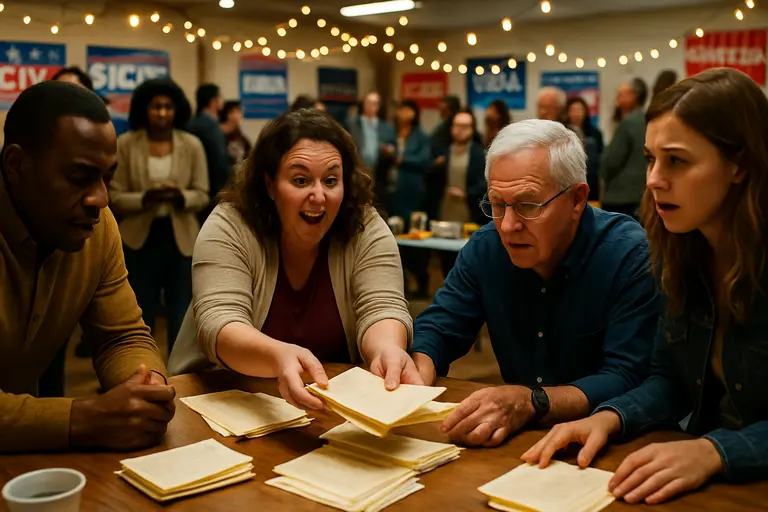
Bossier Parish autonomy should now be measured by the quality of local transparency as much as by the end of federal supervision. A clear agenda, a complete meeting packet, an accessible facilities explanation, and timely minutes can help residents understand the district’s direction. That is where community voice belongs: not after decisions are settled, but while elected school officials are still weighing the choices that affect students and neighborhoods.