Creating a lasting community connection starts with a clear vision. Before you gather a single person, ask yourself: what does success look like? Is it 500 eager participants for a countywide cleanup, or a nimble advocacy group ready to mobilize at a moment’s notice?
My journey in Union County taught me a key lesson: a vague mission leads to volunteer churn. The Office of Community Engagement and Diversity stresses the importance of clarity. Without a clear plan, specific roles, and necessary skills, you might end up with a social gathering instead of a meaningful initiative.
Think of it like the pre-production meeting for a blockbuster film. Skipping this step leads to a cast of extras wandering aimlessly through a plot nobody wrote. So, let’s roll up our sleeves and get ready to build something meaningful.
Build Your First Circle: Friends, Neighbors, Civic Groups, Faith, and Clubs
Start by reaching out to those closest to you, not through online ads. Your first ten volunteers will likely come from your phone’s contacts and your church. Think about who complains about potholes in your area. That’s where you begin.
Text friends who care about community issues first. Then, attend your neighborhood association meetings like a pro. Your community is full of people ready to help, just waiting for the right ask.
Union County shows us who to target: young people, seniors, corporate teams, and civic groups. The key is to offer specific roles, not just a cause. This approach makes it easier for people to join in.
For instance, saying you need someone skilled in spreadsheets is more appealing than asking for general help. Recruiting is like matchmaking, where you find the right fit for your mission. You’re looking for people with unique skills, not just anyone.
Outreach Scripts: Tabling, Door Asks, House Meetings, Digital Signups
Let’s explore the outreach scripts that will make your efforts stand out. Once you have your initial team, it’s time to grow with scripts that truly connect. Outreach should feel like a real conversation, not a scripted sales pitch. It’s about sharing a story that makes others want to join in.
At events like a Juneteenth flag raising, start with a question that shows you value their thoughts. Ask, “What would you fix in this county if you had 10 people behind you?” This sparks interest and starts a conversation. It makes them think and feel like they’re part of something important.
In places like Elizabeth, use your outreach to connect local issues to bigger stories. This makes your message feel both personal and relevant. House meetings are where people share their thoughts and experiences, building a sense of community.
Digital signups are key for those who need time to think. A QR code at a community event can get more signups than endless emails. The goal is to create a space where people can easily join in without feeling pressured. It’s about inviting them into a story they already want to be a part of.
| Outreach Method | Key Approach | Expected Outcome |
|---|---|---|
| Tabling | Engaging questions | Increased interest |
| Door Asks | Local connections | Personal engagement |
| House Meetings | Community discussions | Commitment to action |
| Digital Signups | Easy access via QR codes | Higher signup rates |
When using these outreach scripts, remember your main goal: to recruit volunteers who are passionate and eager to help. By building real connections and sharing compelling stories, you can create a volunteer network that grows and thrives.
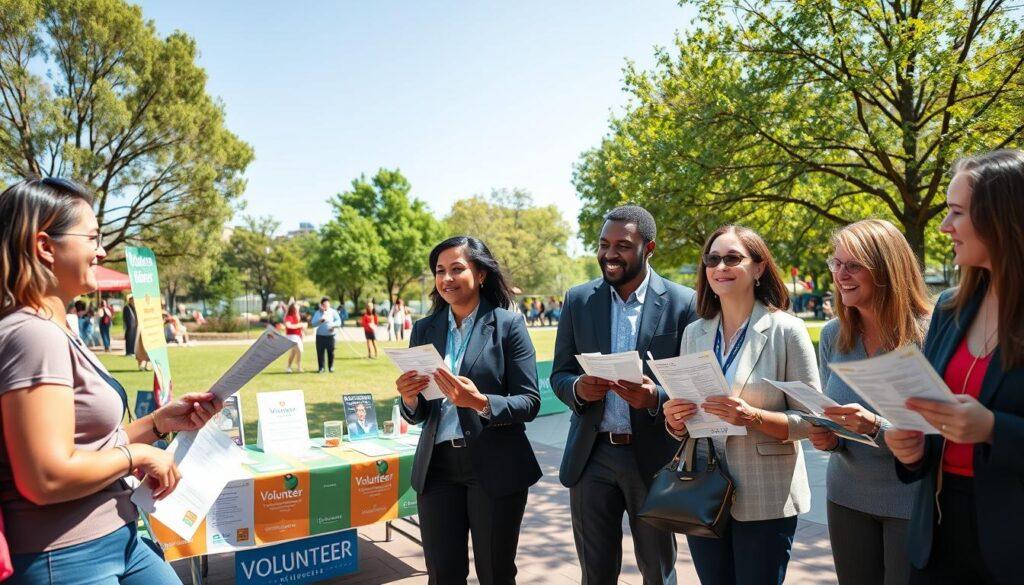
Onboarding Flow: Orientation Checklist, Code of Conduct, Safety, and Data Consent
Think of onboarding like a thrilling heist. Everyone knows their role and how to get out. Start with an orientation checklist that feels welcoming, not like a chore. You’ve just welcomed 50 volunteers, so let’s keep them engaged!
Your checklist should cover the basics: introductions, mission statements, and the code of conduct. This isn’t just a formality; it’s the team’s moral compass. Volunteers need to know the expectations and values that unite your team. A clear code of conduct builds trust and ensures everyone is on the same page.
Then, there’s safety. This isn’t just about checking a box; it’s a promise to value people over productivity. Clearly outline your safety protocols. Make sure your volunteers know their well-being is your top priority. A culture of safety lets them focus on the mission without worry.
Lastly, data consent is key in today’s privacy-conscious world. Asking for permission to contact volunteers is essential. A simple text asking for consent can make a big difference. Make this process clear and straightforward to build trust from the start.
| Onboarding Element | Description | Importance |
|---|---|---|
| Orientation Checklist | A guide to introduce volunteers to the organization and its mission. | Sets a welcoming tone and clarifies expectations. |
| Code of Conduct | Rules and guidelines for volunteer behavior. | Fosters trust and unity among volunteers. |
| Safety Protocols | Measures to ensure volunteer safety during activities. | Demonstrates commitment to volunteer well-being. |
| Data Consent | Permission to contact volunteers for updates. | Builds trust and respects privacy. |
In conclusion, a well-structured onboarding flow is more than just ticking boxes. It’s about creating an experience that makes volunteers feel valued and connected. By focusing on these key elements, you can ensure your volunteers start their journey with enthusiasm and clarity.
Role Design: Captains, Canvass Leads, Data Team, Comms Crew, Event Ops, Research Squad
Without clear roles, your volunteer team is like a game of charades. You need captains who can lead meetings and listen to everyone. They’re like the conductors of your volunteer orchestra, leading the community effort.
The canvass leads are like treasure hunters, exploring neighborhoods with a purpose. They’re not just knocking on doors; they’re starting meaningful conversations and building lasting relationships.
The data team sees a CRM as a powerful tool, not just a digital contact list. They use it to track interactions and measure impact. Their insights guide your strategies and help you make smart decisions.
The comms crew crafts messages that stand out, like a gavel in a courtroom. Whether it’s a tweet or a newsletter, their words inspire action and gather support.
The event ops team makes sure every event, big or small, goes off without a hitch. They handle logistics with precision, ensuring everything runs smoothly and everyone knows their role.
The research squad digs deep to find the information you need, like zoning laws or community resources. Their hard work can turn challenges into chances.
In Union County, the best groups have a clear structure, like a union local. Each role has its own area of responsibility and a path to leadership. This structure boosts efficiency and makes volunteers feel more invested.
To learn more about the importance of planning in volunteer groups, read this insightful article.
Training Calendar: Micro Trainings, Peer Shadowing, and Certification Badges
Training is the key that turns ordinary volunteers into extraordinary ones. At the core of our volunteer onboarding is the Union County Student Training and Enrichment Program (UC STEP). It’s not just about filling seats; it’s about filling minds with knowledge and skills that matter.
Micro trainings are like quick skill shots, lasting just 15 minutes. They cover everything from active listening to navigating the county clerk’s website. They keep volunteers sharp without overwhelming them. Who has time for a two-hour lecture when you can get the essentials in a bite-sized format?
Then there’s peer shadowing. This is where seasoned volunteers become mentors, guiding newcomers through the nuances of effective canvassing. Imagine a high school sophomore from UC STEP evolving into a canvass lead after shadowing a veteran for just two weekends. It’s like leveling up in a video game—each shadowing experience adds new skills and confidence.
And let’s not forget about certification badges. These digital merit badges are the crowning jewels of volunteer achievements. When someone earns a “Data Hygiene Hero” badge, they don’t just get a shiny icon; they become guardians of your list integrity, ensuring every name is a treasure, not a liability.
Incorporating these elements into your training calendar creates a vibrant learning environment. Volunteers feel valued and engaged, which is essential for retention. After all, training isn’t a compliance checkbox; it’s a celebration of growth and growth and growth.

Retention System: Recognition Ladders, Feedback Loops, and Wellness Care
Retention isn’t just a buzzword; it’s the lifeblood of any thriving volunteer network. Without a solid retention plan, even the most passionate volunteers can drift away. Recognition ladders are key, providing everything from shout-outs in newsletters to prestigious awards like the “Media Champion” given to News 12 New Jersey.
Feedback loops are also vital. They’re not just surveys; they’re real conversations that matter. Honest talks make volunteers feel valued and heard. This is important because, in the hustle of volunteer work, people need to know their voices matter.
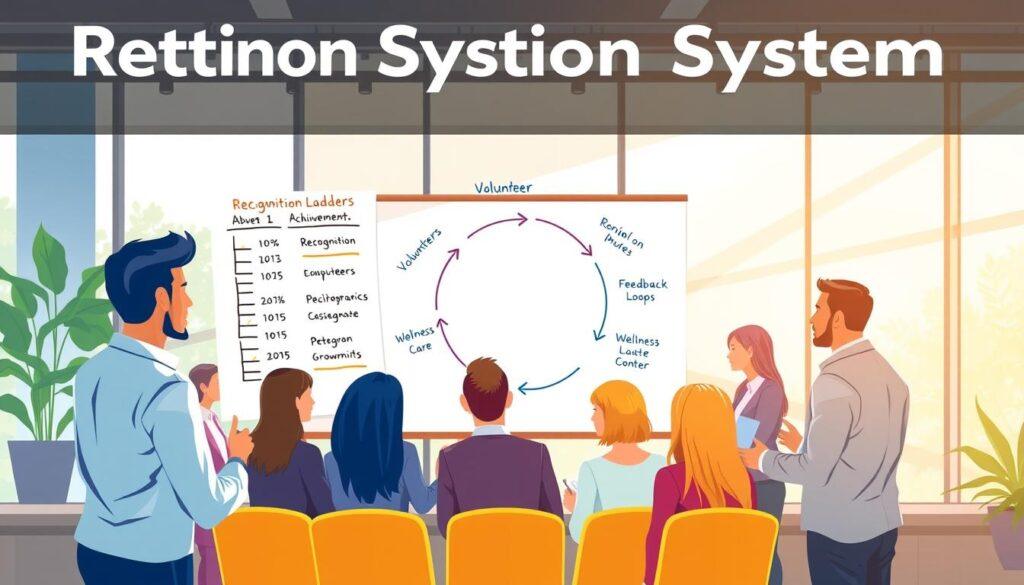
Wellness care is another essential part. Craig Cere’s story shows how grief can be turned into a positive force. A network without mental health support is like a machine burning out. Rituals of gratitude should be real, not just corporate. A simple handwritten note after a tough canvass shift can boost retention more than a gift card.
To create a strong retention plan, check out the Recruitment and Retention Toolkit. It provides practical tips to improve your volunteer experience.
Partnerships: Libraries, Schools, Unions, Nonprofits, Mutual Benefit MOUs
Building a volunteer network is more than just doing good. It’s about teaming up with key community players. Community partnerships help us grow and make our neighborhoods stronger. Libraries are like the heart of the community, full of people eager to learn.
Schools offer a fresh wave of energy and the chance for students to earn service hours. Unions, inspired by leaders like Hattie Canty and Paul Robeson, know the power of working together. With one email, they can turn excitement into action.
Nonprofits have already earned the trust you’re working to gain. They are your ideal allies. Mutual Benefit Agreements (MOUs) are the secret to successful partnerships. They outline what each side gets, ensuring everyone feels valued.
In Union County, the Office of Community Engagement and Diversity helps match volunteers with partners. Treat partnerships like a coalition government. They may be messy, but they’re essential for effective community management.
| Partner Type | Benefits | Examples |
|---|---|---|
| Libraries | Access to community space and resources | Hosting events, training sessions |
| Schools | Engagement with youth and service hours | Student volunteer programs |
| Unions | Mobilization of members | Organized volunteer days |
| Nonprofits | Established trust and networks | Collaborative projects |
Tools and Data: CRM, Signup Forms, Shift Schedulers, Texting, List Hygiene
Building a volunteer network needs the right tools and data. Think of your tech stack as your organization’s nervous system. A strong CRM is more than a database; it’s your memory. It helps you not ask the same person to donate too often.
Your signup forms should be easy to use. If they take more than 90 seconds, it’s like asking people to watch paint dry. In today’s fast-paced world, quick and simple wins.
Shift schedulers can turn chaos into order. They work well with Google Calendar. This makes sure everyone knows where they need to be and when.
A texting platform that feels personal is priceless. Good communication keeps volunteers engaged and informed without overwhelming them. It’s like a gentle reminder, not a constant flood.
List hygiene is a key player in this game. Keeping your lists clean can make a big difference. I’ve seen clean lists double a campaign’s success. Treat your data like a garden; neglect it, and you’ll grow weeds.
Metrics: Weekly Dashboard, Recruitment, Activation, Churn, and Capacity Forecasts
In the world of volunteer networks, metrics are your best friend. Think of your weekly dashboard as the ultimate coffee companion. It offers a snapshot of your network’s health. How many new recruits joined? How many showed up? And, let’s not forget the ones who vanished into thin air—yes, churn is real.
Tracking these numbers is key for a solid retention plan. The United Way of Greater Union County reminds us that ordinary people achieve extraordinary things. It’s not just about numbers; it’s about stories. Pair your metrics with those heartfelt moments. Like the volunteer who felt truly heard for the first time. That’s the kind of narrative that fuels your mission.
Capacity forecasts help you gauge if you can pull off big events or if you’re stretching your team too thin. When a network grew from 10 to 500, it focused on one key metric: the ratio of one-time volunteers to repeaters. A dip in that number was a clear signal to revisit onboarding processes.
Data tells a story. It reveals where you excel and where you need to improve. So, let those bar charts guide your strategy. Your metrics should be a blend of cold hard facts and warm human moments. This balance is where the real return on investment lies.