The rural housing grant awarded to Rural Communities Housing Development Corporation gives local residents, county officials, housing partners, and service providers another reason to track affordable housing plans in rural Northern California. RCHDC announced on May 27, 2025, that it received $332,000 from NeighborWorks America to support affordable housing development and preservation work in rural communities, according to the organization’s grant announcement.
The practical question for residents is what this funding may help move forward, who could benefit, and how local communities can follow the public side of housing decisions. Affordable housing projects often involve nonprofit developers, county planning departments, city or county hearings, public notices, financing applications, and long-term property management commitments. A grant announcement is not the same as a final project approval, but it can signal capacity for development work that may later appear in local agendas, permit records, funding applications, or community meetings.
What The Rural Housing Grant Funds
How The Award Was Described
RCHDC said the $332,000 grant from NeighborWorks America is intended to invest in community development and affordable housing in rural Northern California. The organization described the purpose as building and preserving affordable homes so residents can gain stability and opportunity. That framing matters because preservation and new construction are different civic tasks. Preservation may involve keeping existing affordable units available to income-qualified households, while new construction may involve land use review, design, financing, infrastructure capacity, and long-term operations.
The rural housing grant is not described in the announcement as a single apartment project with a named address, a construction start date, or a local hearing schedule. That means residents should treat it as organizational support for affordable housing work, not as proof that a specific development has already been approved by a city council, county board, or planning commission. The next public step will depend on which future projects use the capacity or funding connected to this award.
Why NeighborWorks America Matters Locally
RCHDC said NeighborWorks America has supported community-based organizations for more than 45 years through funding, training, and tools. In local terms, that kind of support can affect whether a nonprofit housing organization has the staff capacity, technical assistance, and development resources needed to prepare projects for public review and financing. Residents do not need to be housing finance experts to ask clear civic questions: where is a project proposed, what public approvals are needed, what income levels will be served, and how will the property be managed over time?
Where Rural Northern California Residents Should Watch
Counties And Communities Affected
RCHDC’s public materials identify its work with rural Northern California communities, and the research record for this item lists Mendocino, Lake, Humboldt, Del Norte, Siskiyou, and Tehama counties as part of the organization’s operating area. For residents in those counties, the most useful civic step is to connect the grant announcement with local public records once any specific project appears. That may include county planning agendas, city planning commission notices, housing authority discussions, environmental review notices, building permit filings, or board meeting packets.
For residents, the rural housing grant should prompt careful monitoring rather than assumptions. A county may support affordable housing goals, but each project can raise location-specific questions about roads, water and wastewater capacity, fire access, school proximity, transit options, neighborhood design, and service access. Those questions belong in public meetings before major approvals are granted. They should be asked with respect for households needing stable housing and with attention to the public record.
Recent Development Activity Reported By RCHDC
RCHDC reported that it developed 232 new construction units during the past five years for target populations that included developmentally disabled individuals, severely mentally ill and homeless individuals, transitional age youth, and low-income families. The organization also reported 259 units in the pre-development stage. Those figures show why local residents should pay attention before a project reaches a final vote. Pre-development can include early planning, site evaluation, funding strategy, design work, and discussions with public agencies.
RCHDC’s announcement also included a resident example to describe the kind of stability housing support can provide. For civic coverage, the broader point is that housing decisions affect real households while also requiring public oversight. Local governments and nonprofit developers should be able to explain who is eligible, how applications are handled, what public funds are involved, and what long-term affordability commitments are attached to a property.
How Residents Can Track Local Housing Decisions
Public Records To Check First
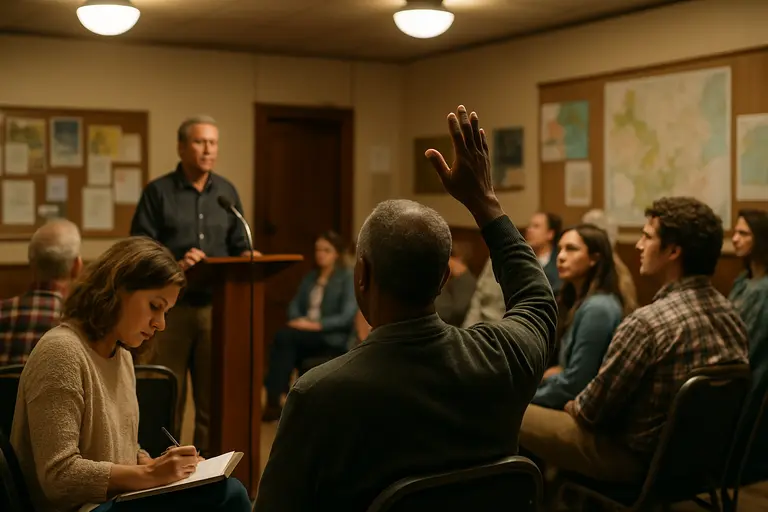
Affordable housing development usually leaves a public trail. Residents who want to understand whether this rural housing grant leads to a local project should start with official records from the city or county where a project is proposed. The most useful records are often meeting agendas, staff reports, planning commission packets, board minutes, environmental notices, funding resolutions, and development agreements.
- Check city council, county board, and planning commission agendas for RCHDC, affordable housing, land use, grant acceptance, or financing items.
- Review staff reports for project location, number of proposed units, affordability terms, infrastructure needs, and public funding sources.
- Watch for public hearing notices, especially if zoning, permits, environmental review, or local funding approvals are required.
- Ask whether meeting materials are available online before the vote so residents can comment with the same information decision-makers are using.
This approach keeps the discussion grounded. Affordable housing proposals can create strong public response, but productive civic participation starts with the documents. If a project is still in pre-development, residents can ask the city or county when formal applications are expected and which agency will lead review. If no local application has been filed, officials should say so plainly.
Questions For Local Officials And Housing Partners
The rural housing grant also raises practical questions for city and county staff. Will any local projects need public land, fee waivers, infrastructure improvements, tax credits, state housing funds, or county-administered support? Are local agencies preparing notices that residents can understand? Will translation, accessible meeting materials, or remote participation options be available where required by local practice or law?
Nonprofit housing providers should also communicate clearly. Residents should be able to learn whether a project is new construction or preservation, whether it serves families, seniors, people with disabilities, people leaving homelessness, transitional age youth, or other eligible groups, and how long affordability restrictions will remain. If a project involves supportive services, the provider should explain which services are proposed and how they will be coordinated without disclosing private information about residents.
Civic Questions For The Rural Housing Grant
The most useful local response to this grant is not praise without scrutiny or opposition without facts. It is steady public attention. The rural housing grant gives RCHDC more support for affordable housing work in rural Northern California, according to its announcement, but the civic details will become clearer only when specific projects, locations, approvals, and funding requests appear in local records.
Residents can ask their city or county clerks how to receive agenda notices, sign up for planning alerts if available, and review housing-related staff reports before meetings. County supervisors, city council members, planning commissioners, and housing staff can help by making project timelines understandable and by separating confirmed facts from early-stage possibilities.
Rural communities need housing conversations that are direct, documented, and open to public participation. This grant is one part of that work. The next test is whether residents can see how any related projects move from planning to public review, and whether local agencies provide enough information for people to take part before decisions are made.