In October 2025, Massachusetts grants totaling $179 million were announced for 314 economic development projects across 190 communities, according to the Healey-Driscoll administration’s state grant announcement. For residents, municipal boards, chambers, and neighborhood groups, the main civic question is direct: which projects were funded, what local public processes still apply, and how can residents follow the work before construction, planning, or redevelopment decisions become final?
The awards were made through Community One Stop for Growth, a state program that combines applications for 13 economic development grant programs. The administration reported that the program received 713 applications from 453 organizations across 245 communities. The awards touch several local issues that residents regularly raise at public meetings, including housing production, road safety, downtown storefront activity, site cleanup, infrastructure, planning studies, and reuse of underused properties.
What Massachusetts Grants Funded In October 2025
Program Totals Reported By The State
The October 2025 award package includes both large infrastructure grants and smaller planning or technical assistance awards. The MassWorks Infrastructure Program accounted for the largest share, with $100 million awarded to 55 projects. HousingWorks Infrastructure received $24.57 million for 21 projects, while the Underutilized Properties Program received $15.28 million for 33 projects. Those categories matter locally because they often connect public infrastructure decisions with private or nonprofit development activity.
| Grant Program | Funding Reported | Projects Reported |
|---|---|---|
| MassWorks Infrastructure Program | $100 million | 55 |
| HousingWorks Infrastructure Program | $24.57 million | 21 |
| Underutilized Properties Program | $15.28 million | 33 |
| MBTA Community Catalyst Fund | $12 million | 13 |
| Rural Development Fund | $10 million | 54 |
| Housing Choice Grant Program | $5.33 million | 20 |
| Site Readiness Program | $3.74 million | 14 |
| Community Planning Grant Program | $3.57 million | 37 |
| TDI Equity Investment Program | $1.6 million | 13 |
| Massachusetts Vacant Storefront Program | $1.15 million | 23 |
| Brownfields Redevelopment Fund | $770,000 | 5 |
| Massachusetts Downtown Initiative | $600,000 | 20 |
| Real Estate Services Technical Assistance | $500,000 | 10 |
Massachusetts Grants And Local Accountability
The state reported that the funded work is projected to help create more than 20,000 new housing units, including 5,000 affordable units, generate 11,000 new permanent jobs, and develop more than 8.8 million square feet of commercial space. Those projections are statewide, not a guarantee for any single neighborhood or town. That distinction matters for civic review. Residents should look for the local project description, the municipal sponsor or partner, the grant amount, and any public approvals that still need to occur.
Grant announcements identify funding commitments, but many local steps can still follow. A road project may still require public works coordination. A housing-related infrastructure project may still be tied to permitting, site plan review, utility work, or a local board schedule. A downtown program may depend on municipal staff, property owners, small businesses, or local development entities. Massachusetts grants are best understood as a starting point for public tracking, not the end of public involvement.
Where The Awards May Matter Locally
Rural Towns, Gateway Cities, And MBTA Communities
The administration reported that 37% of awarded projects are located in rural or small towns, 28% are in Gateway Cities, 40% are in Housing Choice Communities, and 53% are in MBTA Communities. Those categories overlap, so residents should not add the percentages as if they describe separate groups. The figures do show that the awards reach different types of communities, from smaller towns seeking basic development support to cities and transit-adjacent municipalities working on housing, commercial, or infrastructure needs.
The state also reported that 21 communities received a grant through One Stop for the first time. For those places, the first award can create a new civic learning curve. Residents may need to identify which town department is managing the grant, whether the select board, city council, planning board, redevelopment authority, or another local body will take action, and where project documents will be posted.
Housing, Roads, Storefronts, And Reuse
Governor Maura Healey said the grants will help communities build housing, lower costs, improve road safety, revitalize downtowns, and create jobs, according to the state announcement. That list reflects common concerns raised by residents and local employers: housing availability, safe streets, vacant or underused commercial space, and the condition of public infrastructure.
For a neighborhood association, the most relevant award may be a planning grant that shapes future zoning or streetscape decisions. For a local business district, it may be a vacant storefront award or downtown initiative. For a housing advocate, the key may be whether infrastructure funding removes a barrier to new units. For a public works committee, the concern may be whether road or utility improvements fit within existing capital plans.
How Residents Can Track The Public Process
Start With The Local Award Record
Residents do not need to wait for a ribbon-cutting or construction notice to get involved. A practical first step is to find the full list of grant recipients and project descriptions, which the state says is available through the Executive Office of Economic Development. From there, residents can match the state award with local public records: meeting agendas, staff memos, capital plans, procurement notices, zoning filings, and adopted budgets.
Local accountability is strongest when residents can trace a project from application to award to approval. If a town or city accepted funding for infrastructure, residents can ask which department will manage the work, whether a local match is required, what the expected schedule is, and which public body will receive updates. If a project involves a private site, residents can ask what public benefits are attached to the funding and what approvals remain outside the grant itself.
Questions For Public Meetings
Public comment works best when questions are specific and tied to documents. Rather than asking whether a project is good or bad in general terms, residents can ask what changed because of the award, which milestones are next, and how the municipality will report progress. If a grant is tied to housing, residents can ask how many units are connected to the local project and whether affordability requirements are part of the plan. If it is tied to road safety, residents can ask which intersections, sidewalks, crossings, or access points are included.
- Which local department, board, or agency is responsible for the funded project?
- Will the grant require a local funding match, contract vote, land-use approval, or public hearing?
- Where will residents be able to review timelines, design materials, and progress reports?
- How will the municipality explain changes in cost, scope, or schedule?
These questions are not partisan. They are basic tools for residents who want grant-funded work to stay visible and understandable.
What Local Partners Should Watch Next
Chambers, Municipal Staff, And Civic Groups
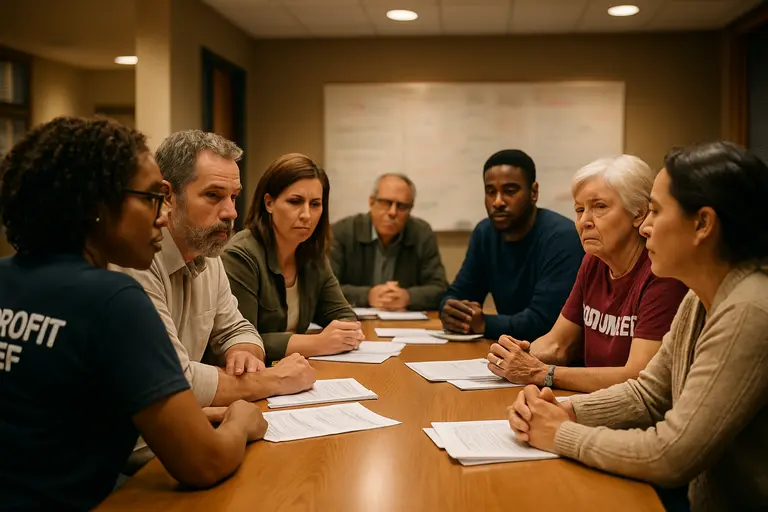
Local chambers, neighborhood groups, planning committees, and municipal departments each see a different side of economic development. Business groups may hear from employers about storefront conditions, workforce access, or customer traffic. Residents may focus on housing pressure, construction impacts, or pedestrian safety. Municipal staff may be managing procurement, reporting, and coordination with state agencies. Bringing those views into public meetings can help a project move with fewer surprises.
The state’s One Stop structure is meant to simplify applications across multiple grant programs, but the local work remains detailed. A downtown storefront program is different from a brownfields cleanup award. A rural development grant may serve a different need than MBTA Community Catalyst funding. Residents should avoid assuming that every grant has the same timeline, purpose, or approval path.
Why Clear Communication Matters
When a city or town receives grant funding, the public notice should be easy to find. Residents should not have to search through unrelated meeting packets to learn whether a project is in design, procurement, construction, or planning. A short local project page can go a long way: grant amount, funding source, local contact, public meeting dates, expected milestones, and related documents.
Massachusetts grants can support useful local work, but public confidence depends on follow-through. If residents can see the project record, ask informed questions, and receive plain answers, the grant becomes more than a state announcement. It becomes a local civic process that people can follow.
How Massachusetts Grants Can Stay Public-Facing
The October 2025 awards place new attention on cities and towns that will now move from funding announcements into local action. The state reported broad goals for housing, jobs, commercial space, road safety, downtowns, and redevelopment. The next step belongs close to home: municipal postings, board agendas, project updates, and resident questions.
Massachusetts grants should be tracked in the same way residents track budgets, zoning changes, road projects, and school capital plans. The award amount is only one part of the public record. The clearer test is whether people can find out who is responsible, what the money is intended to do, when decisions will be made, and how progress will be reported back to the community.