Wake County, North Carolina, is approaching a major public spending decision as voters prepare to consider two education bond referendums totaling approximately $829.1 million on November 3, 2026. One proposal would authorize $680 million in general obligation bonds for Wake County Public School System facilities, while the second would provide $149.1 million for Wake Technical Community College improvements. As residents evaluate the financial implications of major decisions, resources exploring questions such as Are BetAnything reduced juice odds profitable? illustrate how comparing costs and potential returns can inform decision-making in other financial contexts.
The proposals address school construction, aging building systems, public safety training, healthcare education, and workforce development. They also raise a central question for residents: how can taxpayers determine whether hundreds of millions of dollars in borrowed funds will be spent efficiently, transparently, and in accordance with the projects approved by voters?
The Wake County Board of Commissioners advanced the bond measures through public hearings and adopted the bond orders on July 6, 2026. Both proposals are now scheduled for the November ballot. The county’s official records provide the foundation for examining the spending plans, while school system and college documents identify the facilities and programs expected to benefit.
For residents, the decision involves more than supporting education or opposing higher public costs. It also requires examining debt repayment, project priorities, construction schedules, and the public reporting mechanisms that will allow taxpayers to track the money over time.
What Wake County’s $829.1 Million Bond Proposals Would Fund
The two measures would allow Wake County to borrow up to $829.1 million for capital improvements at its public school system and community college. The proposals are separate referendums, meaning voters can evaluate each investment independently.
According to Wake County’s official bond agenda, commissioners held public hearings and adopted the bond orders on July 6. The measures cover facilities and equipment rather than ordinary annual operating expenses.
The proposed funding breaks down as follows:
| Proposed bond | Maximum amount | Primary purpose |
|---|---|---|
| Wake County Public School System | $680 million | School construction, renovations, repairs, safety, and building systems |
| Wake Technical Community College | $149.1 million | Workforce training, campus renovations, equipment, and infrastructure |
| Combined bond authorization | $829.1 million | Education facilities and capital investment |
These figures represent proposed borrowing authority, not money already spent under the new referendums. Actual borrowing would depend on voter approval and the county’s subsequent financing decisions.
The distinction matters for public accountability. Authorization establishes a spending purpose and borrowing ceiling, while project budgets, construction contracts, payment records, and completion reports show how the money is eventually used.
Residents can review the county’s July 6 bond proceedings and supporting documents to examine the official decisions and referendum documentation.
School Construction and Renovations Are Central to the $680 Million Proposal
The Wake County Public School System’s proposed $680 million bond would finance capital improvements across the district, including new schools, renovations, and replacement of aging building systems.
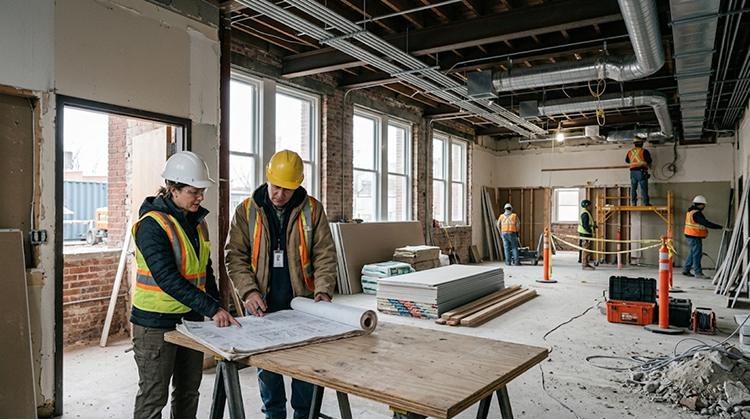
The district’s 2026 School Bond information identifies three new schools, renovations at nine schools, approximately 70 system-replacement projects, and additional site improvements among the planned investments. The projects are part of the district’s longer-term capital improvement program.
Building systems are a significant part of the proposal. Heating, ventilation, and air conditioning equipment, electrical components, plumbing, roofs, and other essential infrastructure can require expensive replacement as facilities age. Delaying these projects may increase maintenance costs or disrupt school operations, while undertaking them requires careful budgeting and construction oversight.
The plan also includes work at existing facilities such as Ligon Magnet Middle School and Cary High School. Renovations can extend a building’s useful life, but the public benefit depends on whether the scope of work addresses documented needs and whether projects remain within approved budgets.
The district also reports that Wake County commissioners have agreed to provide $152.3 million in additional pay-as-you-go cash funding for the relevant capital improvement program. Combining that contribution with the proposed $680 million school bond produces a projected total of approximately $832.3 million for the program.
That additional cash contribution must not be confused with the $829.1 million combined borrowing authorization for the two referendums. They are different financial figures serving different purposes.
For taxpayers, the important question is how the district will prioritize projects if construction costs rise or bids exceed estimates. Publicly accessible project lists, contract awards, change orders, and schedule updates can help residents evaluate whether the work remains aligned with the original plan.
Wake Tech’s $149.1 Million Bond Targets Workforce Training
The second referendum would provide $149.1 million for Wake Technical Community College, commonly known as Wake Tech. The proposed investment focuses on expanding career training and upgrading campus facilities as employers seek workers in technical and public-service occupations.
Wake Tech’s 2026 Workforce Forward Bond plan organizes the proposed funding into four major areas:
| Investment category | Proposed allocation |
|---|---|
| Workforce program expansion | $41 million |
| Southern Wake Campus renovations | $65 million |
| Campuswide facilities and infrastructure | $20.4 million |
| Information technology, equipment, and targeted renovations | $22.7 million |
| Total | $149.1 million |
One major component is the planned expansion of public safety training. Wake Tech identifies $20 million for the completion of its Fire and Rescue Training Center at Eastern Wake Campus, including classrooms, simulation and decontamination laboratories, flexible training areas, and equipment.
The bond also proposes $12 million for skilled-trades training at Southern Wake Campus. The investment would expand welding, electrical systems, and heating, ventilation, and air conditioning laboratories. Another $5 million would support expansion of the Hendrick Center for Automotive Excellence at Scott Northern Wake Campus.
These projects could help students prepare for careers in construction, emergency services, automotive technology, and other fields that require specialized equipment and practical instruction. The value of the investment, however, should ultimately be assessed against measurable outcomes, including additional training capacity, program completion, equipment utilization, and the number of students served.
Wake Tech published details about its proposed workforce investments in an October 2, 2026, article explaining how the bond would support skilled-trades and automotive programs. Residents can review the college’s announcement alongside the complete bond plan.
The college’s public information provides a starting point for evaluating project goals. Subsequent financial reports and performance measures will be necessary to determine whether the completed facilities deliver the expected benefits.
How General Obligation Bonds Affect Taxpayers
General obligation bonds allow a local government to borrow money for large capital projects and repay the principal and interest over time. Rather than collecting the entire project cost upfront, the government spreads repayment across future years.
Under the proposed Wake County measures, the county would issue bonds if voters approve the referendums. The official bond notice states that taxes sufficient to pay the principal and interest would be levied on taxable property in the county if the bonds are issued.
That provision makes debt repayment a central consideration for homeowners, commercial property owners, and other taxpayers. The total financial commitment is greater than the amount borrowed because interest and financing costs must also be considered.
The effect on an individual property owner cannot be determined simply by dividing the bond authorization by the number of residents. It depends on the county’s financing schedule, interest rates, assessed property values, tax policy, and the amount of debt issued over time.
Before voting, residents should examine the county’s debt disclosures, estimated repayment schedule, and any published tax-impact calculations. They should also distinguish the proposed bonds from existing county obligations and other capital projects already financed through prior borrowing.
The official bond referendum documentation includes supporting materials related to the bond orders and public hearings. Reviewing these records can help residents understand the legal authorization and financial disclosures behind the ballot questions.

What Taxpayer Oversight Should Look Like After Approval
Voter approval would authorize borrowing for the specified purposes, but it would not remove the need for continuing public oversight. Major construction programs can span several budget cycles, involve multiple contractors, and encounter changing material and labor costs.
Residents should be able to follow a clear record from the original project proposal through final completion. That record should show the approved budget, the amount committed through contracts, payments made, schedule changes, and any material adjustments to the scope of work.
Several oversight practices are especially relevant to Wake County’s proposed investments.
First, county officials and the education institutions should publish regular project updates that compare spending against approved budgets. A total expenditure figure is more useful when residents can see how much has been spent on each school, campus, or infrastructure project.
Second, contract awards and change orders should remain accessible. Construction changes can be legitimate responses to unforeseen site conditions or building requirements, but the public needs enough information to understand why costs or timelines have changed.
Third, the county and its institutions should maintain clear procurement records. Competitive bidding documentation, contract terms, vendor disclosures where applicable, and project milestones help residents assess whether public purchasing procedures were followed.
Fourth, the county should make debt information understandable. Periodic reporting on bonds issued, outstanding principal, interest costs, and future repayment obligations can help taxpayers evaluate the long-term financial consequences of the program.
Finally, residents should have practical ways to ask questions. Public meetings, accessible agendas, published financial reports, and clear contact information make it easier for community members to raise concerns before small problems become expensive disputes.
These measures are useful regardless of whether a resident supports or opposes the referendums. Accountability is not a substitute for deciding whether a project is worthwhile; it is the process that allows the public to assess whether an approved project is delivered as promised.
How Residents Can Review the Bond Proposals Before November 3
With Election Day scheduled for November 3, 2026, residents have an opportunity to examine the ballot measures and the records supporting them before casting a vote.
The first step is to read the official referendum language. Ballot questions and bond orders establish the purposes for which the county may borrow and provide a formal record of the authorization being requested.
The next step is to compare those documents with the project information published by Wake County Public School System and Wake Tech. Residents can use the school district’s 2026 School Bond page and the college’s Workforce Forward Bond page to identify proposed improvements and the institutions responsible for them.
The county’s Board of Commissioners legislative records are another important resource. They provide access to meeting agendas, supporting documents, and formal decisions related to county business.
Residents can also review the county’s debt disclosures and published financial information to understand how new borrowing would fit alongside existing obligations. Where details remain unclear, they can submit questions to the relevant county office or institution and request the records needed to evaluate a specific project.
A useful review should focus on several questions: Are the projects clearly identified? Are their costs and timelines published? Is the repayment plan understandable? Will future reports disclose contract changes and spending? Are there measurable outcomes against which the completed work can be judged?
These questions move the debate beyond broad claims about growth or spending. They provide a practical framework for judging whether the proposals balance educational needs, workforce development, and responsible financial management.
The Decision Extends Beyond Election Day
Wake County’s proposed $829.1 million in combined school and community college bond authorizations represents a substantial commitment to education facilities and workforce preparation. The school proposal addresses construction, renovations, and aging building systems, while Wake Tech’s plan would expand specialized training and modernize facilities used by students preparing for technical careers.
The November 3 vote will determine whether the county can proceed with the two proposed borrowing programs. If approved, the next stage will be implementation: issuing debt, awarding contracts, managing construction, and reporting how the money is used.
For residents, the oversight question will remain relevant throughout that process. Public access to budgets, contracts, schedules, and debt reports can help establish whether the investments remain within their approved purposes and deliver the improvements promised.
The lasting test will not be the size of the bond packages or the number of projects announced. It will be whether Wake County’s schools and community college complete needed improvements, demonstrate the value of those investments, and provide taxpayers with a clear account of how public money was spent.