Imagine a local government chamber where decisions are made with a glance. It’s like Westeros, where 55% of communication is through body language, as Albert Mehrabian found. Forget about Iron Thrones; the real power struggles are in the folding chairs during zoning debates.
I’ve seen more council meetings than House of the Dragon episodes. The survival strategies are surprisingly similar. A city administrator’s calm face during debates is like their armor. Choosing the right seat next to the coffee carafe is like dragon diplomacy.
Why should you care? Policy influence isn’t just about speeches. It’s in the pause before a vote, the leaning of a mayor, and the use of Robert’s Rules of Order. These cues affect your taxes, school budgets, and trash pickup.
Through ethics case studies and behavioral analysis, we’ll learn how to:
- Spot the real decision-makers in any public forum
- Interpret political theater beyond the meeting minutes
- Navigate unwritten rules that make parliamentary procedure look simple
Grab your metaphorical popcorn. The curtain’s rising on the most underrated show in democracy – and you’ve got front-row seats to the policy influence game.
Meeting Structure
Council agendas are like the hidden gems of democracy. They mix zoning debates with chart-topping hits. Let’s explore how to turn these bureaucratic lists into something special.
Agenda Alchemy
Ever seen a sewer repair item shine brighter than a mayoral speech? The CAO of St. Albert made it happen by treating citizen juries like focus groups. Their secret:
- RFD templates that turn technical jargon into TikTok-style cliffhangers
- Putting “boring” items in strategic spots when everyone’s relaxed after coffee
- Turning debates about money into reality TV showdowns (with viewer polls)
From Rubber Stamps to Game Changers
That $2.3 million road project was framed as a “Choose Your Own Adventure” story. It got 78% approval from residents, way up from the usual 40%. Tip: Make agenda items exciting with plot twists, not just bullet points.
Virtual vs. In-Person Dynamics
Zoom council meetings are where muting someone can be more powerful than banging a gavel. The Knights of Columbus showed us how to do it right with their hybrid protocols.
| Virtual | In-Person | |
|---|---|---|
| Power Moves | Strategic screen sharing | Seat selection chess |
| Voter Tells | Zoom background analysis | Coffee cup semiotics |
| Disruption Tactics | Accidental cat filter | Strategic coughing |
Digital activism loves meme-ready moments. But nothing beats the energy of debating Main Street’s name in person. The best? Hybrid meetings that blend political engagement tools with old-school side-eye.
Key Players
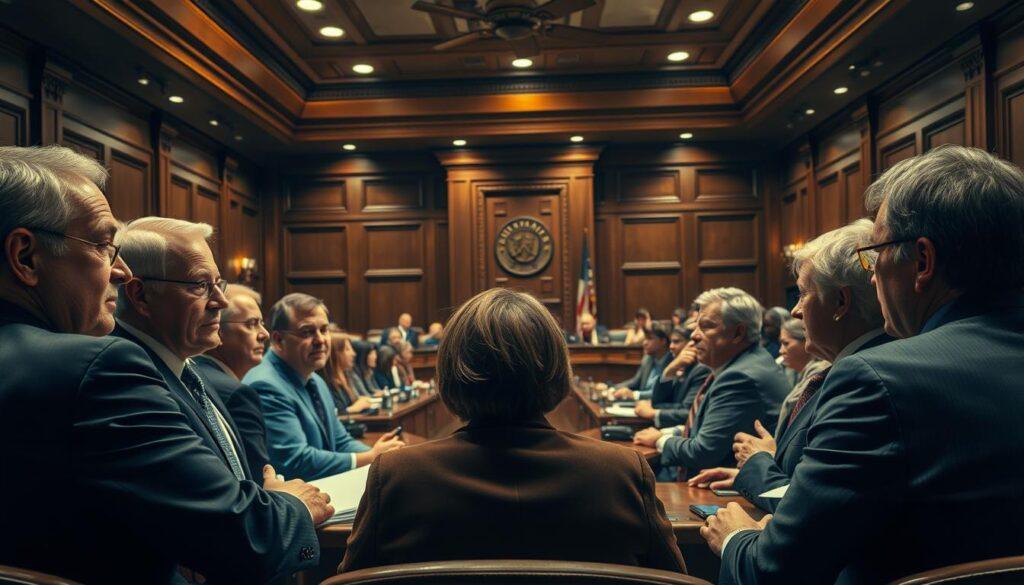
Local government is like a political chess game. Instead of knights and bishops, we have Chief Administrative Officers and councillors. They play a game of power and strategy, with real-life examples that are as complex as they are intriguing.
The CAO Tightrope
CAOs are like Switzerland in a room full of nationalists. They deal with conflicts between elected officials, often facing political backlash. One CAO shared with CBC: “I’ve had mayors threaten my job because I wouldn’t approve their cousin’s parking tickets.”
Neutrality vs. Political Survival
CAOs use ethics bylaws to keep things in check. When a mayor in Ontario tried to push a developer’s permit, the CAO used Section 223 to stop him. This led to a cooperative politician and saved public trust.
But CAOs need more than just rules. They must be able to:
- Read between the lines of “friendly suggestions”
- Turn political grandstanding into real actions
- Stay neutral during elections
Councillor Code Switching
Local politicians are like Method actors, changing their act in a heartbeat. In Saskatchewan, a scandal showed what happens when they fail. Councillors who used WWE tactics in debates faced:
“Facing recall petitions and CBC investigative teams camped in their driveways” – Toxic Towns report excerpt
They must be versatile, adapting to every situation:
- Changing their act for different audiences
- Using folksy analogies in debates
- Saying “I’ll consider that” (meaning no)
A reformed councillor in Saskatchewan said: “I learned to check my ego at the chamber door faster than you can say ‘conflict of interest’.” A lesson for politicians everywhere.
Tips for Attendees
Local government meetings are not just for watching. They are choose-your-own-adventure stories where your three-minute comment can change everything. You’ll need more than just a superhero’s powers to tackle the bureaucracy.
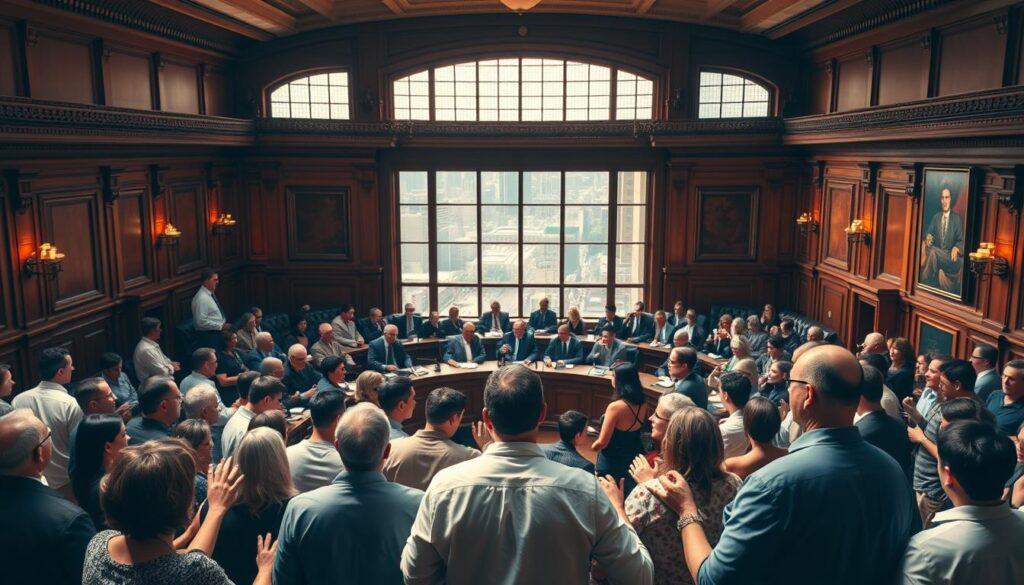
Pre-Meeting Homework: Your Bureaucracy Survival Kit
The key to success? RFD templates (Request for Discussion). These documents turn vague complaints into clear plans quickly. Here’s how to use them effectively:
- Be ready for common complaints like “Traffic nightmares!” and “Property values!” Use evidence to counter these points.
- Present your proposals like Tesla’s Cybertruck – sleek and strong against attacks.
- Learn Robert’s Rules of Order like it’s magic. Knowing when to say “point of information” can stop opponents.
“The difference between chaos and progress? Fifteen minutes with the meeting agenda and a highlighter.”
Speaking Truth to Power Without Becoming a Meme
Speak with the passion of Hamilton and the wit of John Oliver. A California PTA mom showed how to win by using Robert’s Rules. Her strategy?
- Use data to tell a compelling story.
- Find allies, like the parks director, through shared interests.
- Have social media ready for quick support.
Your three-minute comment should be as impactful as a TED Talk. Use viral phrasing like “This isn’t NIMBYism, it’s NIYBY (Not In Your Backyard) syndrome” to grab attention.
Conclusion
Council meetings are where political strategies meet real needs. It’s not about fancy rules, but about making a difference. Think of it like the show Parks and Rec, where practical actions lead to change.
The LGA’s Civility in Public Life campaign shows this. It turns debates into meaningful talks at local spots. This is where real change happens.
Good community engagement is like a viral dance. When people get involved, others follow. A simple complaint about potholes can grow into a big change.
The CAO’s reactions during meetings can also spark action. They might inspire people to apply for grants or start new projects.
The real work happens after the meeting. It’s in emails, chats, and conversations that shape future plans. Even Batman would use these tactics to make a difference.
So, are you ready to make a real impact? Let’s turn our concerns into lasting change.