Let’s cut through the noise. Most cause-driven political messaging fails not from a lack of heart, but from a total lack of strategy. You know the scene: the earnest social post that disappears into the void, the rally speech that only energizes the already convinced.
Effective change isn’t a happy accident. It’s engineered. Think of strategic communication as the operating system for your entire campaign—the code that transforms raw passion into targeted, measurable action.
We start with a framework pioneered by organizer Marshall Ganz: the Story of Self, Us, and Now. This isn’t soft storytelling. It’s the foundational “Why” that must be answered long before anyone cares about the “How.” It builds the narrative engine for your movement.
As emphasized in guides on crafting a compelling message, this work is your core strategy. It’s an intentional plan where every word links directly to your goal.
So, if you’re ready to stop shouting into the wind and start conducting a symphony of support, you’ve found your first lesson.
Message Development Framework
Did you finish emotional storytelling? Good. Now, let’s make a message framework that cuts through noise. Your cause will stop being a solo act and become a strong campaign communication engine. Think of it as the blueprint for your whole operation.
Forget jargon. We need clarity that’s sharp enough to cut through cable news. Start with the journalist’s 5 W’s. This isn’t just for news leads; it’s the solid backbone of your message.
- Who are you, and who is this for?
- What do you want to change or achieve?
- Where should this action or change happen?
- When is the non-negotiable deadline?
- Why should anyone care right now?
Get these answers right. Repeat them. This turns a good idea into a recognizable brand.
Next, create your Message Box. This simple grid is your secret weapon. It turns your core narrative into scalable talking points. It organizes your vision, the problem, your solution, and your core values.
This box isn’t about creating robots. It empowers every volunteer and spokesperson with a script they can own and adapt. It gives your team a structure to speak with one voice, amplified a thousand times over.
Here’s the wise advice from the pros: “It’s not what you want to tell them, it’s what they are willing to hear.” Your frame is everything. Are you talking about “cost” or “community investment”? Is it “government regulation” or “common-sense protection”?
Choose your anchor values—like “equity,” “local liberty,” or “fairness”—and let them be the pillars of every sentence. This deliberate framing decides whether your message builds a house on rock or sand.
Test relentlessly. Your brilliant message is just a hypothesis until it resonates with real people. Does it stick? Does it motivate? This iterative process of crafting, testing, and refining is what separates a memo from a movement. Your framework is complete when it’s both clear and adaptable.
Audience Segmentation and Targeting
Spray-and-pray is for beginners. In grassroots campaigns, winning means knowing your audience first. Your message is a targeted payload for a specific group.
First, find out who has the power to help you. This is your primary target. It could be a city councilor or a corporate board. Then, discover who can move that target. This is your true audience.
Think of it like chess. You win by controlling the squares around the king, not just staring at it. Your audience might be the local newspaper’s editorial board or a coalition of businesses. In California, it was even a million-member-strong PTA.
This is the heart of advocacy messaging. You’re not just talking to people. You’re using a network of influence to reach your target.
To map this network, do your research. Understand what your target cares about. Is it their legacy or fear of an angry public?
This isn’t about being creepy. It’s about strategic empathy. Know what keeps them up at night. For example, a county commissioner might care about fiscal responsibility.
Think about all stakeholders. Supporters, partners, and even neutral officials are important. Each needs a unique version of your message. A one-size-fits-all approach is a waste.
The California PTA example shows this. A commissioner might not care about the environment. But a million parents worried about their kids’ health got their attention. The PTA was the key to moving the commissioner.
This precision makes your campaign more effective. Instead of generic messages, you use targeted persuasion. Your advocacy messaging hits hard because it reaches the right person at the right time.
Don’t use a megaphone. Use a scalpel. Segment your audience and target your influencers. Then, your message will get the attention it deserves.
Storytelling for Political Impact
Forget the policy white paper for a moment; the most subversive tool in your arsenal is a well-crafted narrative. Data informs, but stories transform. They are the emotional operating system for your entire political messaging effort.
You already have the framework: Story of Self, Us, and Now. But a framework in a drawer is useless. Its power is in its application, tailored ruthlessly to the venue.
- Story of Self (The Origin Myth): This is your “why.” Deploy it in intimate settings—one-on-one meetings, small house parties. It’s not a biography; it’s a vulnerability play that builds human trust. It answers the silent question, “Why should I listen to you?”
- Story of Us (The Shared Epic): This narrative forges collective identity. Use it at community forums, town halls, and in targeted digital ads. It connects individual struggles to a common cause, transforming a room of strangers into a “we.”
- Story of Now (The Call to Arms): This is your rally cry. It belongs on stages, in press releases, and at the climax of speeches. It creates urgency, frames the choice before the audience, and demands immediate action.

Here’s where many campaigns fumble. They treat these stories as a solo performance by the candidate or manager. That’s a tragic mistake. The most resonant political messaging is a chorus, not a solo. Your job is to find and elevate the authentic voices within your community.
But beware the siren song of tokenism. Snagging a poignant personal anecdote from a marginalized community member to spice up your press packet is advocacy strip-mining. It’s extractive and exploitative. Deep partnership and explicit consent are non-negotiable. Never share someone’s story for them. The goal is to equip people to share their own.
Consider Michael Tanahill in Pueblo, Colorado. His story wasn’t just about a local issue; it was about dignity and community preservation. When he spoke, it wasn’t as a “victim” trotted out by a campaign. He was a trusted messenger, sharing his truth on his terms. That authenticity cut through the noise in a way a polished mailer never could.
This gets to a brutal truth in communication: people need to hear something roughly 10 times before it sinks in. You are not the only, nor always the best, messenger. A narrative repeated by a trusted neighbor, a respected local business owner, and a community elder has exponential reach. This multiplier effect is what turns a campaign story into a community truth.
The victory of the Portland Clean Energy Fund is a masterclass in this. The political messaging didn’t come from a consulting firm. It emerged from the community’s own vision, told through the personal stories of those who would benefit. The campaign became a platform for those voices, not a ventriloquist.
So, audit your storytelling. Are you building a stage for a single star, or are you conducting an orchestra of authentic voices? The latter doesn’t just win votes; it builds the lasting power needed to govern.
Visual Communication and Design
Visual communication is like a silent megaphone for your grassroots movement. It makes your message loud before you say a word. In today’s fast-paced world, your visuals are your strongest argument.
So, let’s get down to business. Do you have a photographer, videographer, or a friend with great Instagram skills on your team? It’s not about hiring a big agency. It’s about using intentional design as a key part of your campaign strategy. Your colors, logo, and event signs are more than just decorations. They are your visual language.
Take the Climate Justice League in Boise for example. They didn’t just show up to speak. They brought a huge banner made from hundreds of postcards. This was genius. It turned a list of concerns into a physical, photogenic, and emotionally powerful display. That banner wasn’t just seen; it was felt and shared.
Your campaign’s visual identity works on three key levels:
- Instant Recognition: Using the same colors and logos makes your materials stand out in a crowded space or online.
- Emotional Translation: A graph about carbon reduction is just data. But a photo of a solar panel on a local school roof tells a story of community and a cleaner future.
- Social Currency: Good visuals are the kind people want to share. They are the assets people post, repost, and use as their own profile picture. This is true online advocacy.
Your campaign brand is the face of your story. Is it something people want to share, like, and remember? Or is it just a forgettable logo on a blurry flyer?
Every photo, graphic, and banner tells a part of your story. Make each one count. This careful approach to visual campaign communication turns viewers into active participants. It gives your movement a unique look, feel, and something to share.
Multi-Channel Communication Strategy
Choosing where to communicate is a strategic decision, not just a personal choice. Your favorite app doesn’t matter. What’s important is where your target audience spends their time. Your multi-channel strategy is about spreading your advocacy messaging across different platforms.
If your key decision-maker loves local news, focus on op-eds and press releases. For those influenced by public opinion, grassroots efforts and call-in days are key. This approach is about targeting, not broadcasting.
Today’s campaigns need a mix of digital and traditional methods. You must be good at both.
- Social Media: Your quick response team. It’s for mobilizing, shaping stories, and countering opponents fast. It’s like your campaign’s brain.
- Email: Your detailed educator. Use it for in-depth policy talks, long stories, and clear calls-to-action. It builds trust.
- In-Person (Canvassing, Events): Your personal touch. Door-knocking, town halls, and rallies add emotion. They make policy real.
This mix makes your message impactful, persuasive, and memorable.
Plan your efforts with a calendar. Random actions waste resources. Tie your actions to news, anniversaries, or cultural events. These moments give your advocacy messaging importance and context.
Campaigns are short, lasting less than two years. Focus on high-impact activities. Every action must support your main goal.
You need integrated software to manage this complexity. Tools should help schedule posts, track emails, and organize canvassing. Without it, you’re lost.
Be flexible in your strategy. A good plan should be structured but allow for spontaneity. Be ready to adapt when crises or opportunities arise.
In short, a multi-channel strategy meets people where they are, with the right message at the right time. It turns scattered efforts into a strong, unified voice for change.
Crisis Communication Planning
Think of your crisis communication plan like a fire extinguisher. You hope you never need it, but without it, disaster strikes. Running a campaign without a plan is like hoping for good weather without checking the forecast.
Your opponents are not just disagreeing with you. They are crafting a story to undermine your campaign. Their goals are simple: to make things seem too costly, impractical, and to keep things as they are. Your crisis plan helps you control the narrative.
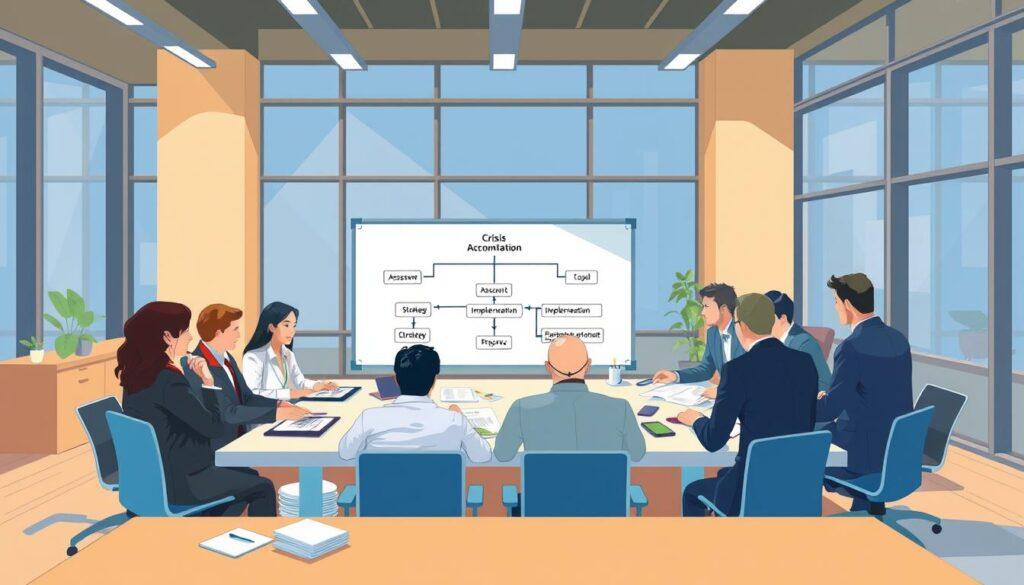
Effective crisis management has three key parts: Anticipate, Respond, and Adapt. It’s not just about defending yourself. It’s about being proactive and ready for anything.
Pillar One: Anticipate and Pre-bunk. Don’t wait for attacks. Plan for them. Know what they’ll say and have solid responses ready. This way, you can turn their attacks into your wins.
Pillar Two: The Strategic Pivot. When faced with tough questions, don’t answer on their terms. Control the conversation by pivoting back to your core message. For example, you can say, “Cost is important, but our plan is more cost-effective in the long run.”
Clear messaging is essential. Confusion is your enemy. Your team must be in sync, ready to deliver your message effectively.
Pillar Three: Adapt in Real-Time. Crises change fast. A static plan won’t work. Adapt your messaging quickly based on feedback and results. Modern tools help you do this efficiently.
Think of crisis planning as a chess game. Anticipate moves, have counter-strategies ready, and adjust as needed. Your plan is your shield, protecting your message under pressure.
Prepare for the worst. Without a solid crisis plan, you risk being overwhelmed. A good plan is your campaign’s daily armor.
Media Relations for Grassroots
For a grassroots campaign, a positive media story is key. It’s like getting a megaphone to share your message. But, ignoring reporters is like going to a fight with a spoon. Your campaign communication needs media support to be heard.
First, know your local media like a general knows the battlefield. Identify every outlet, blogger, and influencer. It’s not about fame, but about making your message stronger.
Make a detailed press list. Include each contact’s outlet, beat, and past relevant stories. This turns a cold pitch into a warm conversation, showing you respect their work.
Don’t just send out press releases. Build a relationship with reporters. Offer them good data, articulate spokespeople, and a local twist on national stories. A reporter with a deadline is your ally if you’ve been helpful.
Learn from the Music Makes Us initiative. When they had solid research, they held a media briefing. They set the narrative, provided experts, and made the story easy to tell. That’s top-notch campaign communication.
Reporters are a direct way to reach your audience. A good article in the right place can move more people than many emails. But, you must guide the story. Give them the “why” and a human angle. Leave your message on their voicemail if you don’t.
To see your media landscape, consider different channels and their value:
| Media Outlet Type | Typical Beat/Interest | Grassroots Value |
|---|---|---|
| Local Newspaper | City Hall, Community Issues, Education | High Legitimacy, Broad Local Reach |
| Community Radio/Podcast | Hyper-local Events, Resident Stories | Deep Community Trust, Conversational Tone |
| Niche Blog or Online News | Specific Policy Areas (Environment, Justice) | Highly Targeted, Engaged Audience |
| Local TV News | Visual Stories, Human Interest, Breaking News | High Impact, Emotional Connection |
Your goal is to be a trusted part of the local news. Stop pitching and start partnering. This way, your message gains power you can’t get alone. That’s how you turn coverage into action.
Community Listening and Feedback
Equity in communication is more than just a message. It’s about listening and working together. If your messages only go one way, you’re not really talking. You’re just telling people what to think.
Listening should be the main part of your work. This turns talking into real advocacy messaging. It’s a conversation where everyone helps tell the story. Forget just using a few quotes. This is about working together to create something new.
Our guide comes from places like The Opportunity Agenda and MediaJustice. They show us how to put equity at the center. It’s not just about what you do, but how you think.
- Consider Voice. Start by checking who you’re featuring. Look at your flyers, videos, and press releases. Ask who’s missing from your story. If everyone sounds the same, you’re not really listening. True listening means finding new voices to add to your story.
- Get Consent. Never take someone’s story without asking. This is a basic rule. Using someone’s story without permission is wrong. Consent means checking in and making sure the person is okay with how their story is used.
- Think Structurally, Speak Locally. People don’t see big problems as abstract. They see them in their daily lives. Your job is to connect these dots. Make the problem feel real and close to home.
This image shows how to connect personal stories to big problems. It’s about making the invisible, visible.
- Don’t Get Complacent. Being too comfortable can hurt your message. If you only hear from people you know, you’re missing out. Seek out different opinions. Their feedback is valuable.
- Create Openings, Not Just Opportunities. Listening is more than just getting quotes. It’s about letting others shape your message. Are they helping plan your campaign? If not, they’re not really part of it.
When you listen well, your campaign changes. You start working with people instead of talking over them. This makes your message stronger and more real. It’s co-authored advocacy messaging that truly comes from the community.
Measuring Communication Impact
Was it all just political theater? If you can’t answer that, your campaign communication was just noise.
Real impact starts where vanity metrics end. Move past counting likes and shares. Did your advocacy messaging shift the conversation? This is where your early SMART goals prove their worth.
Track the obvious: media hits, volunteer sign-ups, donor growth. But the true north star is narrative change. Has your political messaging become the default frame? According to expert analysis, ask: Have you strengthened your infrastructure? Has your message achieved market saturation? Does it own the market standing?
This is where tools like Grassroots Unwired or similar advocacy software turn anecdotes into data. Their real-time reporting features let you measure what matters, not just what’s easy.
Remember, strategy is iterative. Debrief. Adapt. Your plan is a living document, not a fossil.
For movements built on coalitions, the work doesn’t end with one win. Measuring collective momentum requires shared data. Adopting a shared measurement system can transform isolated efforts into a powerful force.
The ultimate measure isn’t just a policy victory. It’s building a community that speaks your language, fights with your frame, and is ready for the next battle. That’s how you move people to action, again and again.