For voters watching road repairs, water systems, broadband work, public facilities, and other local needs, federal grants are not distant numbers on a federal ledger. They can become line items in city budgets, county capital plans, public works schedules, and meeting agendas. The civic question is plain: how can residents see whether outside funding is reaching the local projects that officials describe, and how can they raise questions before decisions are final?
The public record begins with scale. The Congressional Research Service reported that state governments received $1.112 trillion in federal funds in Fiscal Year 2022, equal to 36.1% of state government total revenue, according to the Congressional Research Service. That figure does not tell a voter whether a particular bridge, transit stop, drainage project, or civic building will be funded. It does show why grant revenue deserves attention in state and local budget hearings.
How Federal Grants Reach Local Projects
Federal Grants In Public Budget Records
Federal grants usually become visible to residents through local documents: proposed budgets, adopted budgets, capital improvement plans, grant award notices, agenda packets, staff reports, and contract approvals. A resident does not need to be an accountant to ask useful questions. The first task is to find where the money is listed, which department is responsible, what project is named, and whether local elected officials have taken a formal vote connected to the award or spending plan.
Grant money can be discussed in broad terms at one meeting and then appear months later in a contract, engineering agreement, purchase order, or capital line. Voters should look for the same project name across documents. If names change, the agenda packet or staff report may explain whether the scope changed, the funding source shifted, or the project moved into a different phase. Where the record is unclear, residents can ask the clerk, finance office, public works department, or elected board where the official grant file can be reviewed.
Why Timing Matters For Residents
The timing of a grant decision can affect public participation. A notice that announces an award is not the same as a local vote authorizing a contract or approving a budget amendment. The useful civic step is to identify the next public decision point. That may be a budget hearing, a committee meeting, a county board vote, a city council agenda item, or a procurement action. Residents who wait until construction starts may find that the major policy choice has already been made.
Readers comparing civic information across public policy topics can also explore resources from ITPR. For local grant tracking on a related subject, CountyWatchers has covered community change grants and the public priorities residents may want to watch.
What The National Funding Numbers Show
Infrastructure Funding Is Large, But Not All Spent
The Government Accountability Office reported that the Infrastructure Investment and Jobs Act made about $711.8 billion in grants available to tribes, states, localities, and territories across more than 100 programs. GAO also reported that, as of December 31, 2024, nearly half of that funding had been obligated and about 20% had been expended, according to the Government Accountability Office.
Those national figures are useful because they separate commitment from actual spending. For a voter, that distinction points to a practical question at home: is the local project still seeking an award, has the funding been approved, has a contract been signed, or has the money actually been spent? Public officials may use phrases such as awarded, obligated, programmed, budgeted, reimbursed, or expended. Residents should ask what each term means in the specific project file before assuming that a project is ready to begin.
What Scale Does Not Tell A Neighborhood
Large national totals do not answer local questions by themselves. They do not show whether a county road was prioritized over a water project, whether a grant covers the full cost, whether the local budget includes a separate contribution, whether maintenance expenses will follow, or whether a project schedule has slipped. The voter’s work is to connect the national program to the local record.
That connection can often be made through a few documents. A grant application may state the purpose of the project. A staff report may explain why officials recommend accepting funds. A budget amendment may show where the revenue and spending authority are placed. A contract vote may name the vendor, amount, and work to be performed. A capital plan may show whether the project is part of a longer sequence of improvements. Each document answers one part of the question that residents bring to public meetings.
Where Voters Can Trace Project Decisions
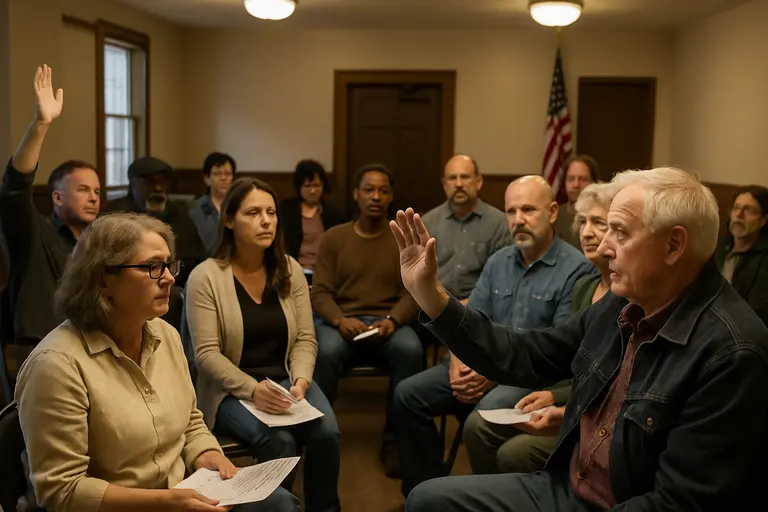
Questions To Bring To A Public Meeting
A resident who wants to follow grant-funded infrastructure can prepare before a meeting by reading the agenda, packet, and current budget page. The goal is not to oppose or support every proposal before the facts are known. The goal is to make the public decision visible. Officials are better able to answer direct questions tied to an agenda item, dollar amount, department, or project schedule.
- Which local department is responsible for the project?
- What federal program or award is listed in the budget record?
- Has the governing body accepted the award or only applied for it?
- What local vote is still required before work begins?
- Where will residents see updates on spending and project progress?
These questions are suitable for city councils, county boards, school boards with facility projects, transit boards, and special districts. They are non-partisan because they focus on the public record. A voter may support the project, oppose it, or remain undecided, but the documents should show what changed, when it changed, who approved it, and what public money is at stake.
How To Read Budget Language Carefully
Budget language can make a project sound settled even when several steps remain. Phrases such as “anticipated revenue” or “planned grant funding” may signal that officials expect support but have not yet reached the spending stage. A line item in an adopted budget can authorize local activity, but residents should still ask whether the federal award has been finalized and whether later board action is required.
Federal grants can also move through state agencies before reaching local projects. In those cases, the local record should still identify the state or federal source, the local recipient, and the project purpose. If the money is not shown clearly, residents can ask for the grant agreement, award letter, or budget amendment that connects the outside funds to the local work.
Federal Grants Questions For Voters
What To Ask Before Election Day
Voters can use grant records to ask candidates and current officeholders specific questions. Which infrastructure projects depend on outside funds? Which projects have been awarded money but not yet started? Which proposals require local dollars in a future budget? Which departments will manage reporting, procurement, and project delivery? These questions keep the discussion grounded in records rather than campaign claims.
The figures reported by CRS and GAO show why this subject belongs in local civic discussion. State revenue includes a large federal share, and major infrastructure grant funding has been authorized across many programs. Yet the local effect depends on decisions made in public budgets, meeting rooms, department offices, and project contracts. Voters who follow those records can see whether promises become work, whether delays are explained, and whether public officials are clear about costs that remain after an award is announced.
The next civic step is modest and powerful: choose one local project, find the latest agenda or budget document that names it, and ask the responsible office where the grant record stands now. A community grows wiser not from loud suspicion, but from steady public attention to the documents by which its roads, pipes, buildings, and shared services are built.