Ever tried explaining a complex county issue to a friend over coffee? It’s tough, right? You aim to highlight its importance while making it relatable. The right words can turn dry facts into stories that hit home.
When discussing community issues, it’s key to ditch the jargon. We need to make these topics personal. Who connects with a statistic without a story? Think about describing a traffic issue or a park renovation. Would you start with numbers, or share a personal experience?
We’ll explore how to communicate these topics effectively. We’ll learn to craft messages that not only inform but also motivate action. By understanding our audience’s values, we can create messages that truly connect. For more on this, check out this insightful paper on emphasis framing.
Start with values fairness safety cost and accountability
Before we dive into budgets and policies, let’s connect through shared values. When we talk about county issues, we must focus on what matters most to people. It’s not just about numbers; it’s about the values that deeply resonate in our communities.
The FrameWorks Institute says people reason based on moral values, not just self-interest. This means fairness, safety, cost, and accountability are key to effective communication.
Imagine explaining a county budget to someone who just wants their trash picked up on time. Starting with a spreadsheet is like starting a novel with a tax code. It’s boring.
Instead, we should lead with values. Saying, “We’re ensuring every family’s water is safe and every tax dollar is accounted for,” makes government seem like a guardian, not a grifter. This is where value-based appeals come in, building the foundation for every policy argument.
A study from Johns Hopkins shows trust in public health is built on transparency and clarity. These are signs of accountability. When promoting a bond measure, talk about the value it serves, not the bond itself.
This way, we turn a lecture into a conversation. In today’s world, where attention is fleeting, this is key.
So, as we craft our messages, remember: starting with values is essential. By focusing on fairness, safety, cost, and accountability, we invite people to engage deeply. For more tips on effective messaging, check out this strategic communication guide.
Build a message box problem villain hero solution next step
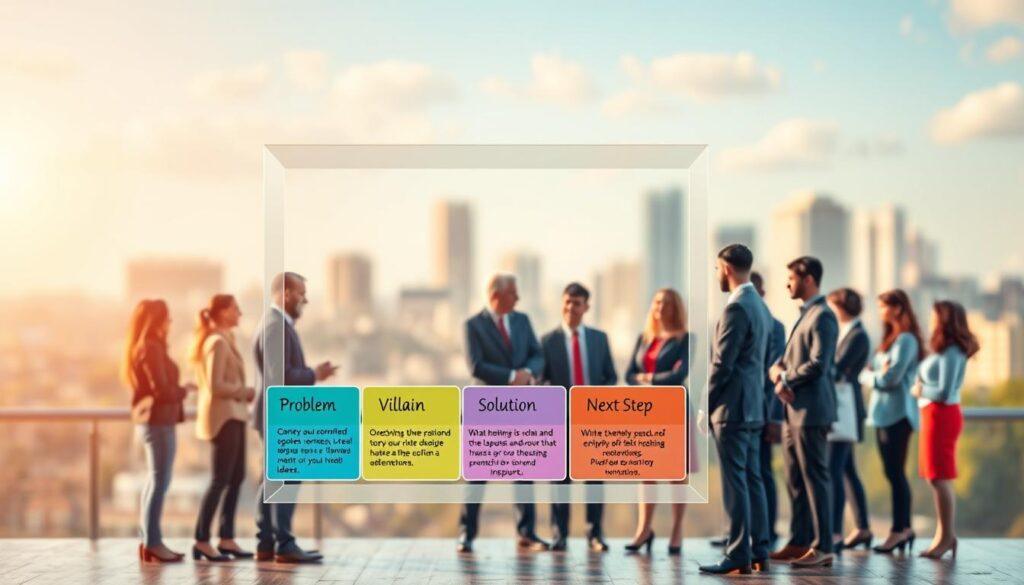
In county communication, the right story can turn simple updates into powerful calls to action. The message box is like a blueprint for your story. It outlines the problem, names the villain, celebrates the hero, presents the solution, and explains what to do next. This isn’t just storytelling; it’s strategic planning in action.
Every story needs a bad guy, but ours should be a system, not a person. We aim to avoid lawsuits and long meetings. Think of the villain as years of neglect or a funding system that treats roads like a luxury.
The problem is clear: a pothole that ate a Prius. The community is fed up, but the real issue is deeper. By focusing on the system, we empower people to demand change from their government.
Our hero is the community, united behind a smart bond proposal. This is where you gather support and encourage action. The solution is fixing the problem, whether it’s roads or services. The next step is key—whether it’s voting, attending a meeting, or clicking a website.
To show what a message box looks like, here’s a simple table:
| Component | Description | Example |
|---|---|---|
| Problem | The main issue affecting the community | Potholes causing vehicle damage |
| Villain | The systemic issue or barrier | Decades of deferred maintenance |
| Hero | The community or organization driving change | Community members supporting a bond proposal |
| Solution | The proposed action to resolve the problem | Funding for road repairs |
| Next Step | Call to action for the audience | Vote in the upcoming election |
When officials don’t fill information gaps, people will. Build your message box carefully. Offer a clear cause-and-effect chain and a role for everyone. If you don’t script the story, someone else will. And their villain might be you.
Localize with budgets roads water parks and schools concrete examples
How do you make a budget exciting? Connect it to the roads you drive and the parks your kids play in. Storytelling is the key to making numbers come alive. Instead of just talking about money, show how it can improve your life.
For example, a budget increase could mean a new splash pad for kids to play in. It’s not just about numbers; it’s about making a difference in your community.
Localizing budgets means making them real and relatable. Think about the roads you drive, the water you drink, and the parks where your dog plays. These are the things that matter to us.
A county budget is like a household budget, but with more challenges. It’s about fixing roads and providing clean water, not just saving money.
Studies show that clear, simple advice can reduce fear. During the Ebola scare, people felt safer when they knew how to protect themselves. So, when talking about budgets, share real-life examples.
For instance, explain how a road repair levy can fix potholes. Share a story about your neighbor’s car getting damaged by a pothole. This way, people can understand the impact of their money.
Storytelling makes budgets relatable and engaging. It helps people connect with the numbers. By sharing real-life examples, you can inform and involve your audience.
Handle attacks inoculation and simple rebuttals without repeating myths
When faced with attacks, using inoculation can change the game. Political myths spread fast, like glitter at a party. Instead of arguing facts, try a smarter way.
The FrameWorks toolkit advises against dwelling on myths. When you mention an opponent’s claim, it sticks in people’s minds. This is like a mental trap.
Inoculation is like a vaccine. You show a weakened version of the attack and then debunk it. For example, you might say, “Some say the parks levy is a waste. But it’s really an investment in safe places for kids. This keeps them safe and saves us money.”
Public health studies show that mixed messages confuse people. They often rely on “common sense,” which isn’t always right. So, your rebuttals should be simple and based on values, not myths.
Your goal is not to win a debate. It’s to make the opposition’s argument seem weak and unappealing.
Multilingual access plain language translations and cultural testing
Effective communication is more than just translating words. It’s about understanding different cultures. Public health officials need to speak everyone’s language in a way that connects with each group. This means more than just changing words; it’s about finding the right cultural match.
If your county’s “plain language” is hard to understand, you’re not really talking. A Spanish version of your bond fact sheet that uses complicated terms won’t help much. It’s like trying to keep water out with a screen door.

Cultural testing is key. Does your message work the same way for everyone? A Johns Hopkins study found that one person said, “If you are the authority, it’s your responsibility to find out that population or individual’s language.”
- Understand that some communities view government with skepticism.
- Test your materials with real people, not just the bilingual intern.
- Use plain language that a distracted parent can grasp while reheating dinner.
A well-translated message is not just clear—it’s meaningful. It connects with the community’s values and stories. Without this connection, your message is just noise in two languages.
Spokesperson prep sound bites bridge lines and red line phrases
Getting your spokesperson ready is key to good communication. A well-prepared spokesperson can make all the difference. The FrameWorks toolkit shows that people trust those who seem authoritative and open.
Think about this: a county commissioner who looks uncharismatic can ruin all your hard work. Preparing your spokesperson is critical. You need three main things:
- Tight, value-laced sound bites: These are short, powerful phrases. For example, “This isn’t about taxes; it’s about whether our firefighters can reach your house in under four minutes.”
- Bridge lines: These lines help steer back to your main message. For instance, “What’s really at stake here is fairness for every neighborhood.”
- Red line phrases: These are phrases to avoid at all costs. Never say “No comment”—it invites the reporter to share your opponent’s views.
Research shows that who you are matters. A trusted local nurse can better support a health levy than a bureaucrat. If the source of information is unclear, trust disappears. So, prep your spokespeople like they’re going on a late-night talk show. Be ready for unexpected questions, practice your bridges, and avoid myths.
Inoculation is not just for public messages; it’s for your spokesperson’s mind too. Give them a weak version of the attack and the pivot. This way, when they face a question, they can smoothly move to your main point.
| Element | Description | Example |
|---|---|---|
| Sound Bite | A concise, impactful statement | This isn’t about taxes; it’s about safety. |
| Bridge Line | A line that redirects to the main message | What’s really at stake here is community fairness. |
| Red Line Phrase | A phrase to avoid | No comment. |

Visuals photo rules consent alt text and accessible colors
Visuals are powerful tools in communication. A good image can convey values quickly. But, using a generic photo can make your message seem weak.
Always get consent before using someone’s face in your materials. It’s better to avoid legal issues. Consent is key to ethical communication.
Alt text is more than just a checkbox. It helps screen readers for the visually impaired. If you can’t describe an image in a few words, it might not be needed.
Accessible colors are important too. Your call-to-action should be clear, not hidden. If your infographic is hard to understand, it’s not effective.
Choose visuals that show real county life. Images of kids drinking from fountains or crews fixing potholes tell stories. If your visuals don’t clearly communicate, they’re just decorations.
Ask yourself if the image tells the story. If not, delete it. The right visuals can make your message clear and impactful.
Field scripts adapt message by audience seniors parents small business and workers
Choosing the right message for your audience is key. It’s like picking the perfect outfit for an event. Each group has its own values and worries. Your message should match theirs.
Think about visiting a senior center and talking about “workforce development.” It wouldn’t fit well. Field scripts help you adjust your message for different audiences. The core idea stays the same, but how you share it changes.
- Seniors: Talk about safety and stable income. For example, say, “This levy keeps the paramedics close and your property taxes predictable.”
- Parents: Emphasize good schools and parks. You might say, “This bond means your kid’s classroom won’t be a trailer and the playground won’t be a tetanus risk.”
- Small Business Owners: Discuss economic stability and infrastructure. Emphasize that, “This initiative supports a thriving business environment.”
- Workers: Focus on job creation and fair wages. A message like, “This plan creates jobs that pay well and respect workers” can resonate deeply.
Using specific language shows respect, not just pandering. Storytelling is your tool here. A short story about a local business or a parent’s park cleanup can connect people.
Script your team with these audiences in mind. Give them lines that make your message personal and relevant. Adapting your message engages your audience and builds community.
Rapid response update cadence and approval tree
In today’s fast-paced world, quick responses are key. A study showed that fast alerts build trust, while slow ones lead to doubt. If you’re slow, people might start believing wild stories, like lizard-people rumors about your projects.
Speed is important to stop false information from spreading. A study during the Ebola outbreak found that delays hurt trust. People thought, “They don’t tell us anything,” and looked elsewhere for news.
Your county needs to update people regularly. This shows, “We’re working on it, here’s what we know, and here’s what we’re doing.”
Creating an approval tree is vital. You don’t want a long process for simple updates. Give a quick response team pre-approved messages. This way, they can act fast, not slow.
Being quick but also flexible is important. When a water main breaks, you need to act fast. Don’t spend hours on legal stuff; just address the issue quickly.
Plan for different situations and write basic responses ahead of time. This lets your team act fast. Remember, silence can mean someone else is telling your story. For more on crisis management, see this article.
Measure message lift polls canvass IDs digital engagement and A B tests
Effective communication is more than just a clever message. It’s about knowing its impact. Without tracking, you’re just guessing. Think of “Dump the Pump” as an example.
Polls help see if your appeals work. Are they changing opinions? Use canvass IDs to check if volunteers’ talks make a difference. Digital metrics like clicks show if your stories grab attention.
A/B testing is key. Try two versions of your message, one on fairness, the other on safety. See which one gets more donations. This method helps you improve based on what people say.
Always look back at your campaigns. Did your message work? If not, it’s time to change. Adjust the message, the messenger, or make it more local. The best message is one that works in the real world, where people are skeptical and busy.