Most emails get lost in cyberspace quickly. But, knocking on doors is the gold standard for reaching voters. Studies show it beats postcards and digital methods.
Walking through Union County without a plan is like being outgunned. The key is turf cutting. You must analyze voter files and find those likely to answer.
By using demographic data and turnout patterns, you can target the right people. Are you looking for suburban moms or retirees? Each group needs a special approach.
In tight races, winning can depend on knocking on the right doors. So, it’s not just about knocking. It’s about doing it smartly.
Script Framework Opener Issue ID Story the Ask and Record Result
When you step onto a porch, it’s not just about knocking on doors. It’s about making a connection. The right script can turn a simple canvassing into a memorable chat. Think of it as jazz—improvisation is key, but you need a solid framework to guide your melody.
The Knock Every Door methodology starts with genuine curiosity, not a rehearsed monologue. Instead of launching into a spiel about your candidate, try something like, “Hi, I’m chatting with neighbors about what matters most to them.” This opener feels more like a friendly neighbor borrowing sugar than a desperate telemarketer.
The Opener That Doesn’t Make People Hate You
Your opener is your first impression. It sets the tone for the entire interaction. You want to avoid sounding robotic or rehearsed. Instead, aim for a conversational tone that invites dialogue.
Remember, people are more likely to engage when they feel respected and heard. Use open-ended questions to encourage responses. For example, ask, “What issues are you most concerned about in our community?” This approach fosters genuine conversation and builds rapport.
Issue Identification Without Sounding Like a Robot
Once you’ve broken the ice, it’s time for issue identification. This phase is where the real listening happens. Sure, you might hear opinions that make your eyelid twitch, but that’s part of the process.
Your goal is to understand the voter’s perspective. Listen actively and ask follow-up questions. This not only shows that you care but also helps you gather valuable insights. Remember, the data you collect here will guide your future conversations and strategies.
Integrate personal stories into your discussions. Facts about healthcare costs can be forgettable, but your anecdote about a family member choosing between prescriptions and groceries? That sticks like gum on a summer sidewalk. Your story humanizes the issues and makes them relatable.
Make your ask clear and actionable. Instead of a vague, “Will you consider voting for our candidate?” try, “Will you support Candidate X?” This specificity gives the voter a clear direction and makes it easier for them to respond.
And for the love of democracy, don’t forget to record the result immediately. Memory can be a fickle beast after a long day of door-knocking. Capturing responses right away ensures that you can accurately follow up and adjust your strategy as needed.
Turf Cutting Sizes Access Rules Rural vs Neighborhoods Parking and Signage Laws
In door-to-door canvassing, turf cutting is key. It’s not just about knocking on doors. It’s about knowing your area well.
A good rule of thumb is twenty to thirty doors per volunteer in dense areas. In rural spots, aim for about fifteen. Union County has both: tight suburbs and wide rural areas.
Access rules are important but not glamorous. Gated communities need planning, and apartment buildings with locked lobbies are a challenge. You might buzz every unit until someone lets you in.
Parking is a big issue. Circling for twenty minutes can kill volunteer spirit. And signage laws? They can lead to fines if you’re not careful.
Calculating Walkable Turf Without Burning Out Volunteers
When planning turf, think about door-to-door distances. Rural areas have longer walks, which take more time. You might meet dogs or find driveways that aren’t what they seem.
Keep volunteers happy by balancing door numbers with walk distances. This way, they won’t get too tired.
Navigating Rural Routes and Suburban Signage Minefields
Rural routes can be tough. You might need to adjust your plan because of dogs, long walks, or rough terrain. Suburban areas have strict signage laws. Always check local rules to avoid fines.
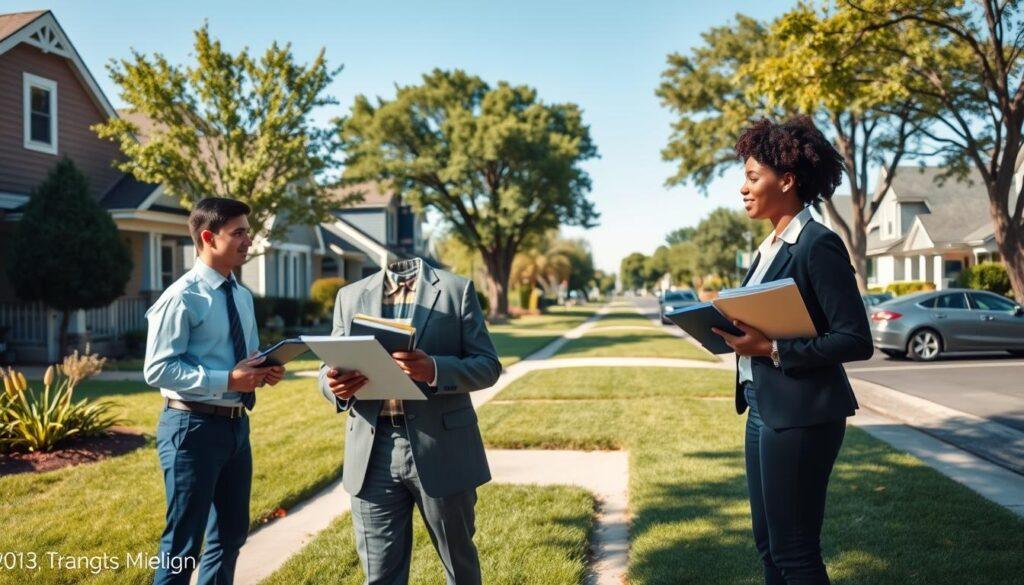
Team Safety Buddy System Daylight Hours Weather Gear and Debrief Check Ins
Safety isn’t just a buzzword in door-to-door canvassing; it’s a survival strategy. The buddy system is your best friend when you’re out there knocking on doors. It’s not just about having someone to chat with; it’s about knowing someone has your back. Imagine canvassing alone, only to find yourself face-to-face with a dog that thinks you’re the intruder. Trust me, that’s a lesson learned the hard way.
Daylight hours are sacred. Canvassing after dark might sound like a thrilling adventure, but in reality, it’s just you squinting at house numbers while the neighbors debate whether to call the police. Stick to daylight; it’s safer and keeps the “suspicious character” vibes at bay.
Weather gear deserves more respect than it gets. I’ve seen volunteers show up in flip-flops for a four-hour shift in April drizzle, and the blisters they ended up with had their own zip code. Dress for the weather: layers, waterproof everything, and, of course, water—so much water that you’ll become a regular at every gas station bathroom between precincts.
The Buddy System and Why Solo Canvassing Is a Terrible Idea
The buddy system isn’t just a fun way to socialize; it’s a critical safety measure. When canvassing, having a partner means someone knows your whereabouts. It’s a safeguard against accidents and misunderstandings. Think of it as a safety net that allows you to focus on the task at hand without worrying about what might go wrong.
Weather Preparedness and the Art of the Post-Shift Debrief
Weather can be unpredictable, but your preparedness shouldn’t be. Bring the right gear and dress appropriately to avoid discomfort. After the shift, the debrief check-in is where the real insights emerge. This isn’t just a headcount; it’s a chance to gather qualitative data that spreadsheets can’t capture. Which script lines resonated? What arguments led to door slams? Transforming raw experiences into actionable strategies for the next shift is what makes a successful canvassing operation.
Data Capture Apps Paper Forms Tags for Follow Up and Privacy Policy
Welcome to the digital age, where data capture apps are changing canvassing. The clipboard is gone, replaced by tools like MiniVAN and PDI Mobile. These apps turn canvassing into a real-time operation. No more guessing what volunteers wrote.
Now, responses update instantly. This lets organizers change plans during the shift.
But paper forms are not forgotten. In rural areas of Union County, they’re essential. Volunteers without smartphones use paper forms. The goal is to make both digital and paper formats work together smoothly.
Digital Tools vs. Paper Forms in the Field
So, which is better? Digital tools or paper forms? Each has its own strengths. Digital tools are fast and efficient. Paper forms are reliable in areas without technology.
| Feature | Data Capture Apps | Paper Forms |
|---|---|---|
| Speed | Instant syncing | Time-consuming data entry |
| Accessibility | Requires internet/smartphone | Always available |
| User-friendliness | Easy for tech-savvy | Simple for all ages |
| Data Management | Automated | Manual |
Tagging Voters and Navigating Privacy Compliance
Tagging voters for follow-up is key. If a voter shows interest but needs more info, tag them for a mailer. If they’re hostile but not too hostile, mark them as “do not contact.”
Privacy is not just about the law; it’s about doing the right thing. Voters trust you with their personal info. The FEC requires clear disclaimers on election materials, unless it’s impractical.

Persuasion Tips Social Proof Local Outcomes Counter Arguments and Bridges
When you’re out canvassing, it’s not about winning an argument. It’s about connecting with people. This connection often comes from shared experiences and local insights. We’ll look at how to use social proof, highlight local successes, and handle opposing views.
Leveraging Social Proof Without Sounding Manipulative
Social proof is a powerful tool in canvassing. Saying “many neighbors are worried about school funding” isn’t manipulative; it’s true. This approach builds a sense of community and shared worry. Trust is key to effective persuasion.
Here are some tips for using social proof:
- Share specific stories from local residents.
- Use data that reflects community sentiment.
- Engage in active listening to gather real feedback.
Counter Arguments That Actually Work and Bridge Phrases
Handling counterarguments well is an art. Avoid long, forceful rebuttals. Instead, use bridge phrases to gently introduce new ideas. Phrases like “I hear you on that, and here’s another way to look at it…” make voters feel heard.
Here’s a quick table to show how to use counterarguments and bridge phrases:
| Concern | Counter Argument | Bridge Phrase |
|---|---|---|
| High taxes | Investments in education lead to long-term savings. | “I understand your concern; let’s look at the bigger picture…” |
| Healthcare costs | Local hospital closures affect us all. | “That’s a valid point; have you considered…” |
| Job losses | New policies can create different job opportunities. | “I see where you’re coming from; here’s another perspective…” |
The Knock Every Door philosophy is all about listening first, then sharing values. Persuasion that feels forced has already failed. By starting a dialogue, you create a space where persuasion can grow naturally.
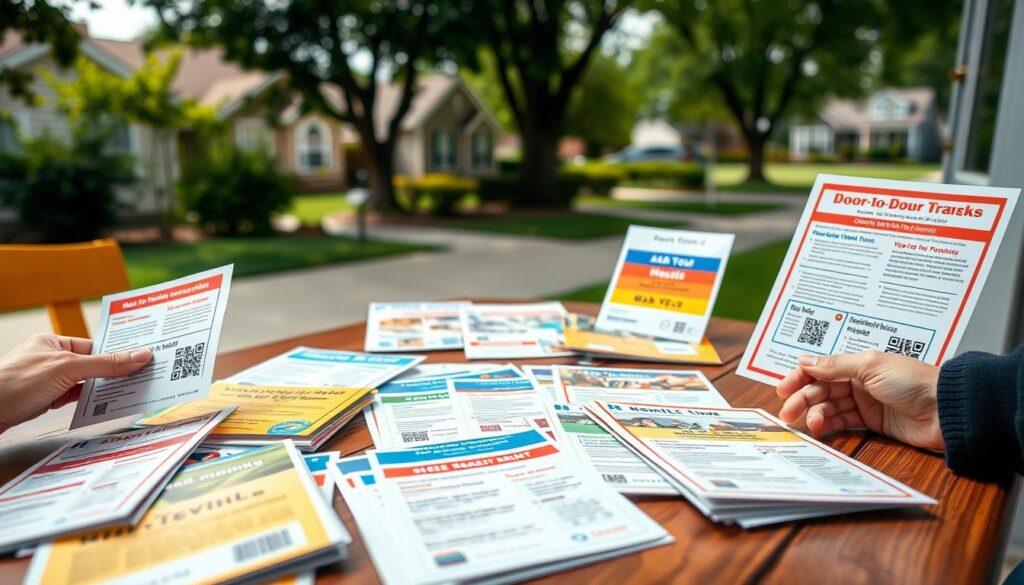
Leave Behinds QR Codes Translated Flyers ADA Friendly Layout
Ever wondered why your leave-behinds end up in the recycling bin fast? If they’re just collecting dust or going straight to the trash, it’s time for a change. The key to leave-behinds that people keep is making them useful and relevant right away.
Imagine giving out a flyer that not only tells you something but also grabs your attention. Adding QR codes that link to voter registration or sample ballots can turn a simple flyer into something interactive. But, make sure that QR code works well, loads fast, and leads to something useful, not just a donation page.
Designing Leave Behinds People Actually Keep
Now, let’s talk about design. Political flyers usually get about seven seconds of attention. If your flyer is only getting that much time, it’s like expensive confetti. Instead, aim for something that looks good and tells you something important.
Think about using translated flyers. In places like Union County, it’s not just nice; it’s necessary. Your materials should show respect for the community’s language diversity. Avoid using Google Translate, which can lead to mistakes like promising free ponies instead of policy.
Accessibility and Multilingual Considerations
Don’t forget about making your materials accessible. They should be easy to read, with big enough fonts and good color contrasts for everyone. Place QR codes where they’re easy to scan, even for people using wheelchairs. This thoughtful approach can really help with collecting data.
Lastly, remember the Federal Election Commission (FEC) rules. While your handbills and slate cards need the “paid for by” notice, it’s not needed on items like pens or bumper stickers. Following these rules might seem odd, but it’s important.
| Leave Behind Element | Importance | Best Practices |
|---|---|---|
| QR Codes | Interactive engagement | Ensure quick loading and relevant links |
| Translated Flyers | Community respect | Use professional translation services |
| ADA-Friendly Layout | Accessibility | Readable fonts and color contrast |
Post Shift Process Sync Data Thank You Texts and Next Action Ladders
The time after canvassing is when the magic—or the mess—truly begins. To keep your campaign’s data safe, you must act fast. Volunteers often leave quickly, taking vital voter info with them.
To stop this, syncing data immediately is key. This task, whether through apps or paper forms, is what makes a campaign successful. Every minute counts, as details like house numbers and voter responses can fade fast.
Syncing Data Before Memory Fades
It’s vital to capture data right after canvassing. Relying on volunteers to recall details later is risky. A simple checklist can help, ensuring all info is recorded before it’s lost.
This practice not only keeps your data safe but also makes volunteers feel valued. It shows they’re a key part of the campaign.
Thank You Texts and Building Volunteer Commitment
Good thank-you texts are powerful. Sending a personalized message soon after a shift is not just polite; it’s smart. Mentioning specific interactions, like a great conversation on Maple Street, can encourage volunteers to come back.
Then, clearly outline the next steps. Instead of vague promises, offer something specific: “Can you join us next week?” This clarity helps volunteers commit more easily.
Make it easy for volunteers to participate. Initiatives like the Swing Left carpool from the Long Island Railroad are great examples. They remove barriers, turning data collection into community building.
Quality Control Ride Alongs Calibration and Script A B Tests
Quality control in canvassing is like the backstage pass to a concert. It’s where the magic happens. It’s not just about checking things off a list; it’s about making sure every volunteer shines when they knock on doors.
Ride-alongs are like coaching sessions, not evaluations. When an experienced organizer joins a canvasser, it should feel like a master class. If volunteers feel like they’re being watched too closely, their natural charm can turn stiff and rehearsed.
Ride Alongs as Coaching, Not Surveillance
In a ride-along, we look for those authentic moments that make a conversation stand out. It’s about finding small tweaks that can make a big difference. For example, canvassers might share how they handle common objections.
One volunteer might win over a skeptical voter with a personal story. Another might not have the same success. Often, it’s just a matter of one phrase or the timing.
Script A B Testing and Continuous Improvement
A/B testing brings science to our canvassing scripts. We split our turf and give half the volunteers one script and the other half another. The results can be surprising.
That clever line you thought would work might not be as effective as a simple approach. The Knock Every Door training model helps us improve continuously. First-time canvassers are great for this because they haven’t developed bad habits yet.
| Script Version | Persuasion Rate | Common Objection Handled |
|---|---|---|
| Version A | 15% | “I don’t trust politicians” |
| Version B | 30% | “I don’t trust politicians” |
| Version A | 20% | “I’m too busy to vote” |
| Version B | 25% | “I’m too busy to vote” |
For more insights on voter outreach strategies, check out this article or explore advanced strategies here.
KPI Board Doors Knocked Contacts Persuasion Rate and Cost Per Contact
In the world of door to door canvassing, numbers tell the story. Each door knocked is a step forward. The real magic happens when you connect with someone. This is where your KPI board comes into play.
It’s not just a collection of metrics; it’s a reflection of your campaign’s heartbeat.
The Metrics That Actually Matter
Focus on three key metrics: doors knocked, contacts made, and persuasion rate. Doors knocked show your effort. But contacts made reveal your efficiency.
A campaign that knocks 10,000 doors yet only speaks to 500 faces has a significant contact rate issue. Without addressing this, all that enthusiasm can become mere noise.
Calculating Cost Per Contact Without Creative Accounting
Cost per contact is key. Include all aspects: volunteer coordination, printed materials, and even that pizza for Saturday shifts. Door to door canvassing may seem pricier than digital outreach.
Yet, the depth of those conversations justifies the cost. Studies show that a personal chat can sway opinions far better than a postcard or email. In tight races, those meaningful interactions can determine the outcome.
Your KPI board isn’t just about accountability; it’s a narrative. Each number signifies a real conversation on a real porch, tackling issues that matter. Embrace these metrics to refine your strategy and drive your campaign forward.