Local government decisions affect our daily lives. They decide on property taxes, school funding, and park upkeep. Knowing how this works is the first step to making your voice heard.
Being active in local meetings can lead to real changes. Residents can shape municipal budgets and school projects. They also get to share their thoughts during conservation authority talks. These are the times when community goals are set.
This guide offers a clear plan for Union County and nearby towns. It covers the whole year of official meetings, from school boards to county commissioners. It aims to make the schedule easy to understand and encourage people to attend.
Having a plan helps you not miss out. This month-by-month guide is a trusted resource. For more on getting involved, check out County Watchers. The next sections will list important dates and tips on how to prepare.
Government 101 in Union County
Union County’s government has a clear structure. It has elected and appointed groups. Each group has its own role and power. This helps the county make big decisions and take care of local needs.
The Board of County Commissioners is at the top. They make big decisions for the county. They handle the budget, roads, and services like parks and libraries.
At the local level, municipal councils run cities and townships. Places like Elizabeth and Plainfield have their own councils. They make local laws, manage money, and provide services like police and public works.
Municipal councils also focus on planning & zoning. This is key for how communities grow and use land.
School boards are another important part of local government. They run schools and make decisions about education. They have their own money and can tax for school needs.
Utilities and transportation are handled by special groups. These groups, like water or sewer authorities, focus on specific services. They make decisions about how to run these services.
| Governing Layer | Primary Role | Elected or Appointed | Example Jurisdiction/Focus |
|---|---|---|---|
| County Commissioners | County-wide policy & budget | Elected | Union County |
| Municipal Council | Local ordinances & services | Elected | City of Elizabeth, Township of Union |
| School Board | Education policy & district management | Elected | Union County Vocational-Technical Schools |
| Special Authority | Utility or transportation service delivery | Appointed | Water, Sewer, or Transportation Authorities |
These groups work together. A county plan can affect what happens in towns. Knowing how they work together is key to being involved in local government.
Board of County Commissioners, Municipal Councils, School Boards, and Authorities
Getting involved in local government starts with knowing the different levels of government in Union County. People interact with various groups, each handling different areas of public life and services.
The Board of County Commissioners deals with county-wide issues. Municipal councils handle town or city matters. School boards focus on education policy and budgets. Other authorities manage utilities, transportation, and more.
Finding Agendas and Calendars
New Jersey’s Open Public Meetings Act (OPMA) makes sure meetings are open. It requires public bodies to post meeting notices early. These notices include the time, place, and agenda details.
A typical agenda starts with a roll call. It then confirms the minutes from the last meeting. Next, it covers old and new business items.
Agendas often have a public comment section. It’s key to review the full agenda packet before attending. This packet has detailed reports and resolutions for each item.
Agendas and calendars are public records. They’re available on each governing body’s official website. Municipal and county clerk offices also keep them for public viewing.
Setting digital reminders for regular meeting times is helpful. It helps residents stay updated and participate. But, remember, dates can shift for holidays or special meetings.
The OPMA ensures decisions are made openly. Access to agendas and calendars is the first step in keeping local government accountable. Those who prepare well use these documents to engage effectively.
Board of County Commissioners, Municipal Councils, School Boards, Authorities (Utilities/Transportation)
Public meeting info is shared on several official websites. Knowing where to look makes it easier to prepare for public comment and stay updated on decisions.
Finding Agendas & Calendars
Finding the right document starts with knowing who is in charge. Each group has its own online spot for schedules and materials.
Union County Website
The Union County official website is the go-to for County Commissioner meetings. You can find agendas, past minutes, and video links in the “Meetings” or “Government” section.
Check this site 48 to 72 hours before a meeting. The posted packet includes detailed reports and resolutions for review.
“Union County Votes” App Alerts
The “Union County Votes” app sends real-time alerts. Users can get notifications for agenda postings and meeting reminders.
This app is great for keeping up with last-minute changes or additions. It’s a smart way to stay informed without checking every day.
Municipal/School Board Calendars
Town councils and school districts have their own websites. Their calendar pages list all public meetings, including special hearings.
Agenda packets for these groups are usually found under “Board Docs,” “Public Meetings,” or “Government Transparency.”
NJ Public Notices Site
The State of New Jersey has a Public Notices website. This site aggregates legal notices from all municipalities, including meeting announcements.
While not as detailed as full agendas, this site is key for finding special or emergency sessions that might not be listed on regular calendars.
| Source | Description | Typical Content | Best For |
|---|---|---|---|
| Union County Website | Primary portal for county-level government meetings and documents. | Full commissioner agendas, resolutions, minutes, video archives. | Researching county policy votes and official records. |
| Union County Votes App | Mobile application for election and meeting alerts. | Push notifications for posted agendas and schedule changes. | Receiving immediate updates on any device. |
| Municipal/School Board Calendars | Official websites for individual towns and school districts. | Council and board meeting schedules, agenda packets, supporting reports. | Tracking local issues like zoning or school budgets. |
| NJ Public Notices Site | Statewide database for legal and meeting notices. | Formal meeting announcements, times, locations, and brief descriptions. | Discovering special sessions and mandatory legal postings. |
Understanding agenda packets is essential. Items are listed as numbered reports or resolutions. For example, “Report No. 12” might suggest installing a stop sign.
Zoning amendment applications are also common. These detailed packets help you prepare informed public comment.
Download and review the entire packet before attending. Highlighting specific items helps focus your preparation. This is key to engaging with local government.
Set reminders based on these official sources to avoid missing important meetings. Regularly checking these channels turns passive concern into active participation.
Public Comment How‑To
The public comment period is a key part of government meetings. It lets residents talk directly to officials. It usually comes after routine approvals and before the main discussions.
This time is for speaking on agenda items. It’s also for sharing broader concerns about the town.
Public comment is a key mechanism for accountability. It lets people directly influence decisions. It happens before the final votes and actions.
It follows a strict process. Officials listen to what people say before making decisions. This makes sure community voices are recorded.
For example, a recent county commissioners agenda shows the comment period before action items. This highlights its importance in shaping decisions.
Public Comment How‑To
To participate in local government, you need to know the rules. This includes signup times, how long you can speak, and what to do. Knowing these helps your comments be heard and recorded.
Signup Rules, Time Limits, and Decorum
Most municipal council and planning & zoning boards require you to sign up before speaking. You must do this before the meeting or by a certain time.
Speakers usually get three to five minutes to talk. The chair makes sure everyone sticks to this to keep things on schedule.
It’s important to be formal. Meetings follow rules like motions and votes. You should talk to the chair, avoid personal attacks, and not interrupt others.
Written Testimony Versus Live Remarks
Deciding between speaking live or submitting written testimony depends on what you want to achieve. Live remarks let you speak directly and get a response right away.
Written testimony becomes part of the meeting file forever. It’s great for sharing detailed information or if you can’t be there in person.
Some places let you do both. Writing down your thoughts and speaking briefly can make a bigger impact. Always check the specific rules for each meeting.
By following these steps, your voice is heard and recorded officially.
Annual Rhythm
The annual rhythm of civic engagement in Union County is shaped by key fiscal and planning deadlines. Local government bodies operate on a predictable calendar. This cycle is dictated by state law, funding requirements, and long-term project timelines.
Major processes like budget adoption occur during specific quarters. This allows residents to plan their participation around the most critical periods. The Open Public Meetings Act (OPMA) guarantees transparency for all these events.
Budget season is a primary driver of this annual rhythm. For example, the process for municipal and county budgets often follows a strict timeline. Under models like “Strong Mayors” legislation, draft budgets must be presented early in the first quarter. Public hearings and final adoption typically conclude by the end of the second quarter.
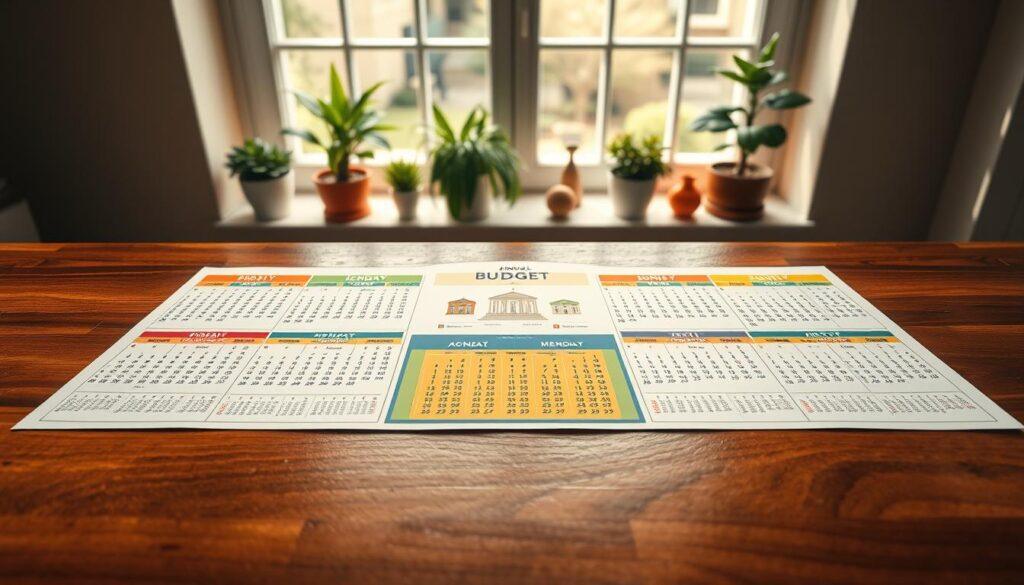
Long-term capital planning for infrastructure creates another fixed point in the calendar. Multi-year capital plans are reviewed and updated on a regular schedule. These plans outline major projects like road repairs, park improvements, and public building upgrades. Public input is often sought during designated review periods.
School boards follow a similar, synchronized fiscal calendar. Their budget cycles are closely tied to the academic year and state aid announcements. Understanding this parallel schedule is key for parents and community advocates. The OPMA ensures all related workshops and votes are publicly announced.
| Quarter | Governing Body | Key Process | Public Engagement Window |
|---|---|---|---|
| Q1 (Jan-Mar) | County Commissioners, Municipal Councils | Preliminary Budget Introduction & Workshops | Agenda review, initial public comment sessions |
| Q2 (Apr-Jun) | All Local Bodies, School Boards | Final Budget Hearings & Adoption | Formal public hearings, written testimony deadlines |
| Q3 (Jul-Sep) | Planning Boards, Authorities | Capital Plan & Infrastructure Reviews | Public forums on long-term projects and master plans |
| Q4 (Oct-Dec) | Municipal Councils, School Boards | Tax Rate Setting & Strategic Planning for Next Year | Hearings on tax levies, community visioning sessions |
This predictable cadence turns reactive citizen concern into proactive civic strategy. Residents can mark their calendars for the most impactful moments to speak. Knowledge of this annual rhythm is a powerful tool for effective local advocacy.
Annual Rhythm
Major policy and financial talks in Union County happen at set times, giving a chance for public input. Local governments have a yearly cycle. Knowing this helps residents plan when to get involved.
Budget Season (Q1–Q2)
The first and second quarters focus on budget reviews. This involves separate discussions for each part.
Municipal councils, the Board of County Commissioners, and local school boards review their budgets. Each group holds a public hearing. It’s important to watch the agendas for these meetings.
Capital plans for big projects are also reviewed during this time. These plans cover large investments in roads, buildings, and utilities. The complexity of these projects makes this a key time for public comment.
Other Periodic Events
Other important events happen regularly. These are great chances for people to make their voices heard.
Tax hearings come after budgets are proposed. Redistricting or updates to ward maps happen after the census. Downtown redevelopment projects are also discussed at specific times.
These discussions are critical. They affect community resources, representation, and development for years. It’s vital to engage with the agendas during these times.
| Event | Typical Timing | Governing Body | Key Engagement Focus |
|---|---|---|---|
| Municipal Budget Review | Q1 (Jan-Mar) | City/Township Council | Operating expenses, local tax rate |
| County Budget Review | Q1-Q2 (Feb-May) | Board of County Commissioners | County-wide services, infrastructure |
| School Board Budget | Q2 (Mar-Apr) | Local School Board | Educational programs, property taxes |
| Capital Plan Review | Q2 (Concurrent with budgets) | Various Councils & Boards | Multi-year projects, bond issues |
| Tax Rate Hearing | Q2 (After budget passage) | Municipal Council | Final property tax levy |
| Redistricting/Ward Maps | Post-Census Year | Municipal Council / Commission | Political representation boundaries |
| Redevelopment Pilot Project | Varies (Often Q3-Q4) | Planning Board / Council | Zoning changes, development plans |
Keeping up with this yearly schedule helps residents plan their involvement. It turns being reactive into being proactive.
Monthly Planner Template
First, we need to understand the yearly cycle of government. Then, we break it down into smaller monthly plans. A monthly planner template helps us do this.
This tool helps us turn knowing into doing. By knowing when public meetings happen, we can plan our time better. This includes meetings for the Board of county commissioners, city councils, and school boards.
The template has a clear purpose. It helps us plan our civic activities with the government’s schedule. Below is a simple example of what a month might look like.
| Week | Meeting Body | Agenda Focus | Personal Prep Action |
|---|---|---|---|
| Week 1 | County Commissioners | Public Hearing on Capital Plan | Review draft plan; draft remarks. |
| Week 2 | Municipal Council | Ordinance Introduction | Read ordinance text; coordinate with neighbors. |
| Week 3 | School Board | Curriculum Committee Report | Download committee packet; prepare questions. |
| Week 4 | Planning Board | Site Plan Review | Map the location; note zoning codes. |
Using a template makes us more consistent. It changes our participation from reactive to proactive. We no longer rush to find meeting details at the last minute.
For those who attend many meetings, this method works well. Many groups use digital agenda management solutions to keep track of public meetings. But, the monthly planner is the starting point.
Monthly Planner Template
Knowing the standard meeting nights for your town is the first step in building a practical civic engagement plan. Most Union County municipalities operate on a predictable monthly schedule. This consistency allows residents to block time on their calendars well in advance.
Common Municipal Meeting Nights
The following table lists typical meeting schedules for key Union County towns. These patterns are based on historical data and common municipal practice. Residents must always verify the current calendar on their town’s official website.
Council and board meetings often occur on the same weeknight each month. For example, many towns hold municipal council sessions on the first and third Tuesday. Planning & zoning boards frequently meet on a separate, fixed night.
| Municipality | Typical Council Meeting Night | Planning & Zoning Board Typical Night | Verification Notes |
|---|---|---|---|
| Elizabeth | Second & Fourth Wednesday | First Tuesday | City Clerk’s website for agendas. |
| Union Township | Second Tuesday | Third Wednesday | Check township calendar for workshops. |
| Plainfield | First & Third Monday | Second Thursday | Agendas posted 48 hours prior. |
| Linden | First Tuesday | Last Wednesday | Meetings often in City Hall council chamber. |
| Rahway | Second Wednesday | First Thursday | Schedule can shift during holiday weeks. |
| Cranford | Second Tuesday | Third Monday | Twp. Committee and Land Use board schedules differ. |
| Westfield | First & Third Tuesday | Second Wednesday | Official town site lists all public bodies. |
| Summit | First Tuesday | Second & Fourth Monday | Common Council and Planning Board separate. |
| Clark | Second Monday | Third Tuesday | Confirm via township’s dedicated meetings page. |
This table serves as a template. Residents should populate their own planner with verified dates. Always check for special sessions, holidays, or location changes. Official municipal websites provide the definitive source for all public meeting information.
Prep Workflow
Getting ready for a meeting can turn you into a key player. It all starts with a clear plan when the agenda comes out.
The first step is to get and read the agenda packet. These packets are online and have all the details. They include staff reports, financial info, and proposed plans. Reading them helps you understand each item fully.
Next, pick out the agenda items that matter to you. Make clear, short points for each one. Stick to facts and how these issues affect the community.
For big or complex issues, teaming up with others helps. Local groups often work together on big issues.
A good prep plan includes these steps:
- Review the Packet: Download and read all supporting documents for the meeting.
- Identify Key Items: Note the agenda item numbers and titles relevant to your interest.
- Draft Remarks: Write out key points, staying within the public comment time limit.
- Coordinate with Allies: Connect with neighbors or organizations to present a unified perspective.
- Prepare Visual Aids: Create simple charts or handouts if permitted by the body’s rules.
This team effort works well in front of school boards and city councils. When everyone speaks up, it can really make a difference. It can change budgets, school plans, or building projects.
The OPMA (Open Public Meetings Act) makes sure we can see these plans. Knowing this law helps us keep our leaders in check. Being well-prepared means you can speak up with confidence.
Prep Workflow
Getting ready well turns public comment into a strong argument. A good plan helps people make clear, factual, and impactful comments to local groups.
This includes looking at official documents, planning, and working with others. These steps make the most of the time to speak.
Review Meeting Packets and Agendas
Start by carefully going over all the materials before the meeting. These packets are often online and include reports, financial info, and legal details.
Look for the parts of the agendas that matter to you. Knowing the exact number of a resolution or ordinance makes your public comment stronger. It helps avoid mistakes during the meeting.
Coordinate Speaking Roles
Groups should pick who will speak before the meeting. Choose a main speaker and a backup to add more points or answer questions.
This way, you avoid repeating yourself and cover more ground. It also shows a united front to the decision-makers. Knowing who will speak next helps keep things clear during the public comment time.
Develop Visual Aids
Using simple visual aids can really help your point. Documents often include maps and plans to show things clearly.
You can do the same. A chart with traffic data or a map showing a development’s impact can make things easier to understand. Visuals should be big, clear, and match what you’re saying.
They also help officials remember your points after the meeting.
Engage Local Media
Telling local news about important issues can make your voice heard more. As shown by community talks with CanoeFM, news coverage can keep the conversation going.
A short, accurate press release or talking to a reporter can get attention. This shows officials and the public care about the agendas item. Try to reach out to the media when the agendas come out.
This mix of steps—looking at documents, planning, making visuals, and talking to the media—makes a strong plan. It improves how people participate in civic life and helps shape decisions.
After the Meeting
After a local government meeting ends, the focus shifts to the official record and follow-up actions. Civic engagement means paying attention to these steps. It’s important to keep influencing outcomes.
The meeting’s official record is its minutes. The first agenda item often is the confirmation of minutes from the last meeting. This vote makes the documented events official.
Draft minutes are usually online within a few business days. People should check these drafts carefully. They need to make sure their comments are recorded right.
If there’s a difference between personal notes and the draft, act fast. Contact the municipal clerk or board secretary with corrections. This makes sure the record is accurate.

Meetings often have tasks for staff. A council might ask for a report on zoning. County commissioners could ask for a cost analysis on a new project.
It’s important to track these tasks. Note which agenda item led to the action and who is responsible. Also, keep track of when you expect the report.
Keeping up with these tasks ensures public dialogue leads to real results. Below is a table of common post-meeting documents and what citizens should do.
| Document/Action | Primary Purpose | Typical Timeline for Public Access |
|---|---|---|
| Draft Minutes | Unofficial record of discussion, motions, and votes. | Posted online 3-7 days after the meeting. |
| Approved Minutes | Official, legally binding record of the proceedings. | Formally adopted at the next regular meeting; posted shortly after. |
| Staff Reports / Follow-up | Documentation of work done in response to board directives. | Included in a future meeting’s agenda packet, often weeks or months later. |
| Public Correspondence Record | Log of written comments submitted for the official record. | Often appended to meeting minutes or available via separate request. |
This structured approach turns a single meeting into ongoing advocacy. Careful review of minutes and following up on tasks keeps local bodies accountable. Effective civic participation is a long-term effort, not a quick fix.
After the Meeting
After a municipal council or planning & zoning meeting, important steps follow. These steps make sure everyone knows what happened and what’s next. They keep the community’s voice heard.
There are four main steps after a meeting. First, review the minutes. Then, follow up on any actions. Next, file records requests. Lastly, have a meeting to discuss what happened.
Minutes as the Legal Record
Meeting minutes are the official record. They list motions, votes, and decisions. They might also summarize discussions.
When draft minutes are posted, citizens should check them. It’s important to make sure your comments are correct. If there’s an error, you can ask to correct it at the next meeting.
Strategic Follow-Ups
It’s good to talk to officials after a meeting. This can clear up any confusion. Here are some ways to follow up:
- Emailing staff for updates on a specific agenda item.
- Requesting a meeting with a commissioner or council member to discuss a planning & zoning issue in depth.
- Providing supplemental data promised during public comment.
Following up shows you care and helps move things forward.
OPRA Requests for Deeper Insight
New Jersey’s Open Public Records Act (OPRA) lets you access government documents. If you want more information, you can ask for it.
To request documents, contact the agency’s records custodian. Be specific about what you want. Agencies usually have seven days to respond. This helps you stay informed.
Coalition Debrief and Next Steps
Groups should meet after a meeting to discuss what happened. This is like how housing committees plan their next steps after a hearing.
A good debrief answers important questions. Did the municipal council listen to your concerns? Who seemed supportive? What promises were made? This information helps plan your next steps.
Working together ensures your efforts make a lasting impact on local policies.
Regional Tie‑Ins
Big decisions on transit, planning, and utilities often come from regional groups. These groups hold their own meetings. To really get involved, you need to look beyond city hall or the county building.
Many important services and big projects are run by groups that cover more than one area. This includes things like roads, big money projects, and planning for land use. These decisions can change traffic, help the economy, and affect the environment in Union County and nearby areas.
Important groups include the Port Authority of New York and New Jersey, NJ Transit, and the Union County Planning Board. Like local school boards and city councils, they follow state laws on being open. This means their meetings and hearings are well-advertised and open to the public.
It’s important to keep up with what these groups are doing. This includes things like new bus lines, studies on airport noise, or plans for managing watersheds. These projects often get money from state or federal funds, just like in other places.
| Authority Type | Primary Function | Public Engagement Avenue |
|---|---|---|
| Transportation | Oversee bridges, tunnels, airports, and public transit systems. | Monthly board meetings; project-specific public hearings. |
| County Planning | Coordinate land use, open space, and transportation plans across municipalities. | Public comment periods on master plan updates; regular board meetings. |
| Utility/Infrastructure | Manage regional water, sewer, or redevelopment projects. | Rate case hearings; capital plan presentations. |
| Related Local Bodies | Address localized impacts of regional projects (e.g., traffic, zoning). | Municipal council and school board meetings where projects are discussed. |
To find these meetings, follow the same steps as for local government. Look on their websites for agendas and schedules. The OPMA rules make sure these meetings are open to everyone.
Getting involved with regional groups can make a big difference. It helps connect local issues to bigger policy talks. A good civic strategy includes keeping an eye on these regional groups.
Regional Tie‑Ins
Civic engagement in Union County goes beyond city limits. Regional bodies make decisions that impact our daily lives across town lines.
Union County Planning Board
The Union County Planning Board looks at long-term land use and big development projects. Their agendas include rezoning requests and site plan approvals. Residents can share their thoughts during public hearing periods.
Transportation Authorities
The Port Authority of New York and New Jersey and NJ Transit hold public hearings. These cover fare changes, service adjustments, and big projects like station upgrades. It’s important for commuters to keep an eye on their agendas.
Inter-County Collaboration
Big projects often need counties to work together. Issues like watershed management or highway expansions may have joint public hearings. Following these agendas helps ensure a voice in shared outcomes.
Keeping up with regional meeting schedules helps residents make a bigger impact. It connects local concerns to the wider networks that shape our community’s future.