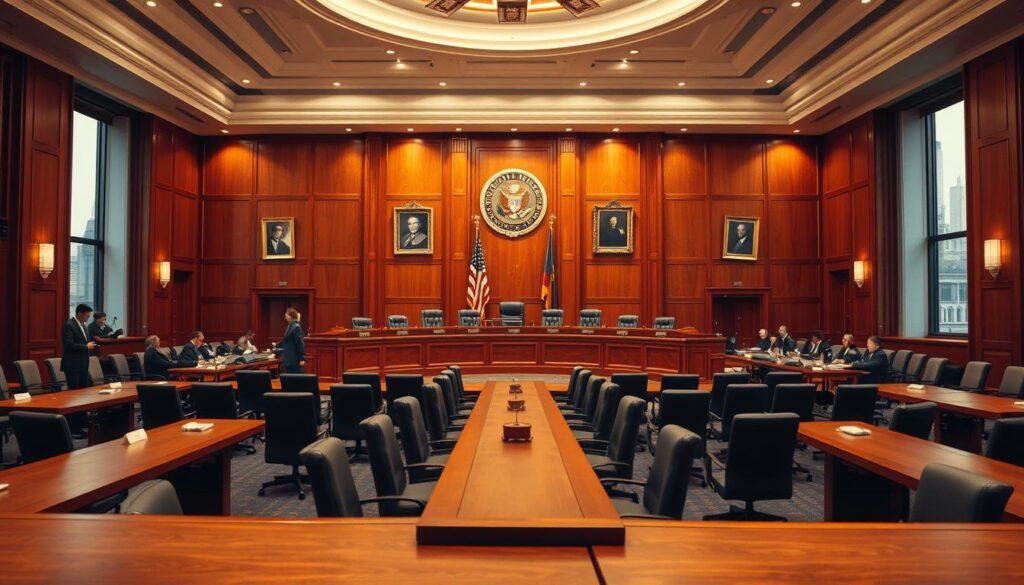
Imagine a chess grandmaster facing off against a Hamilton understudy. They’re debating zoning laws in a slam poetry battle. Welcome to council meetings – a mix of policy and public theater.
These meetings are more than just routine. They’re where community engagement turns into real power struggles. Want to make a big impact? You need the skill of a trial lawyer and the charm of a Comedy Cellar comedian.
The key is to see council chambers as a place where you can make a difference. I once saw a retiree take down a development plan with just zoning codes and Shakespearean delivery. Her version of “To build or not to build” earned a standing ovation from everyone.
But there’s a catch: you need to know the hidden rulebook. From timed comments to consent agendas, the real battle is between rules and crowd psychology. Ready to go from spectator to star? Let’s learn how to navigate the democratic dance where numbers meet words.
Preparing for Meetings
Council meetings are like political theater, but the script is yours to write. Use you to craft a plan sharper than Toby Ziegler’s notes. The BC Confederation shows that 90% of policy success comes before the meeting.
| Variable | Traditional Approach | West Wing-Worthy Move |
|---|---|---|
| Attendance | Basic headcount | Voting pattern analysis + childcare coordination |
| Agenda Order | Chronological listing | Strategic sandwiching between non-controversial items |
| Public Comment | Open microphone | Pre-screened advocates armed with data visuals |
Digital tools like eScribe’s platform make meeting prep a advocacy tool. Their analytics show who actually reads the packets (spoiler: it’s not everyone).
Make your meeting notices count. The 72-hour notice is more than a rule – it’s a strategy. Time your big items to hit when opponents are busy with:
- School board elections
- Holiday parades
- That viral TikTok of the mayor’s dog
In local government, the gavel marks the start of the meeting, not the prep. Your success depends on these strategies before the first “aye” is heard.
Engaging Effectively
Turning community engagement into an art form needs data and drama. Think of your next public comment as a three-act play. It combines statistics and storytelling. The BC Confederation shows 78% of effective comments follow this pattern. Here’s how to make municipal meetings your own Globe Theatre:

Act I: The Data Hook
Begin with numbers that grab attention like a Twitter ratio. “Our neighborhood has 43% more potholes than the city average” is more impactful than vague complaints. Use visual aids, like pie charts as protest signs.
Pro tip from Oxford debate veterans: When officials talk about budget constraints, challenge them. Say “Let’s examine that assumption” and ask for public records. It’s a way to turn their words against them.
Act II: The Human Story
Move from spreadsheets to a personal story. Tell how potholes ruined your kid’s lemonade stand. Use props to add drama. Reddit AMA hosts show stories are remembered 22x longer than stats.
“Effective public speaking isn’t about changing minds – it’s about making your perspective unforgettable.”
Act III: The Mic Drop
Finish with clear demands that officials can’t ignore. Say “Implement the 2022 pavement plan by Q3” instead of “Fix our roads.” Quoting their own policies back to them is a bonus.
When officials talk about rules, use “The Spotlight Shift”: “I appreciate your constraints – how can we solve this together within existing frameworks?” You become a problem solver, not just a complainer.
Following Up
Let’s be real – the meeting ends, but the game’s just begun. While most teams treat follow-ups like stale coffee breaks, savvy advocates weaponize them like Frank Underwood plotting in the Oval Office. Here’s how to turn vague nods into ironclad results using tools sharper than a campaign ad’s soundbite.
Step 1: Lock Down Commitments Like a Lobbyist
eScribe’s task management isn’t your grandma’s to-do list. Assign action items with laser specificity:
- “Draft policy memo by Thursday” → “Senator Smith’s office needs 500 words on renewable tax credits by 5/16”
- Tag collaborators like you’re naming co-conspirators
- Set automated reminders that’d make a PAC fundraiser blush
The BC Confederation’s secret? They treat action plans like treaty negotiations – every clause gets timestamped, every dissent documented. No more “I thought YOU were handling that” meltdowns.
“Minutes aren’t receipts – they’re subpoenas waiting to happen.”
Step 2: Thank You Notes as Power Plays
Forget Hallmark sentimentality. Your post-meeting email should:
- Reiterate decisions in bulletproof language (“Per our agreement…”)
- Name-drop allies like Oscar campaign speeches
- Include next-step deadlines bolded like breaking news chyrons
This isn’t etiquette – it’s evidence. When that slippery stakeholder claims they “never agreed,” your paper trail hits harder than a viral hashtag.
Step 3: Turn Chatter Into Charters
Digital activism tools let you transform loose ideas into binding frameworks. Use collaborative docs to:
- Highlight dissent in red (the political equivalent of a veto threat)
- Track version changes like legislative amendments
- Share final drafts with “approved” stamps that’d pass SCOTUS scrutiny
Remember: In today’s landscape, a well-archived Zoom chat can be mightier than a filibuster. Document like your career depends on it – because it does.
Conclusion
Council meetings don’t end when the gavel drops. They simmer in procedural purgatory. The BC Confederation’s playbook shows real community change blooms in the after-hours.
Think of adjournment protocols as tactical pauses, not conclusions. That final “meeting adjourned” is your cue to shift from chess player to gardener. Plant seeds for next month’s agenda while others pack their binders.
Local government veterans treat resolutions like sourdough starters. Feed them through strategic coffee chats with the zoning board chair. Water them with follow-up emails citing Robert’s Rules Section 41.
True insider strategies turn parliamentary minutiae into fertilizer. Ever seen a budget amendment disguised as a sidewalk repair proposal? That’s how playgrounds get built during pothole debates.
Your exit matters more than your entrance. Leave council chambers like a jazz trio ending a set – synchronized, but ready to improvise. The third source’s data proves relationship-building beats grandstanding.
Forgot to mention the fire chief’s softball league standings? You’ve already lost November’s infrastructure vote.
Next uprising starts now. Draft your follow-up before the minutes get approved. Tag municipal clerks in LinkedIn posts about traffic studies.
Turn procedural loopholes into community loopholes. Remember: Roberts Rules weren’t written for saints – they’re Swiss Army knives for savvy operators. Wield them like you invented them.