Let’s be honest. The phrase “town hall meeting” often makes us groan. We imagine stale coffee and boring talks. We’ve all been there.
But what if I told you town halls can be powerful? They’re like the Athenian Agora of today. Forget the boring stuff. A real town hall is a strategic powerhouse.
It’s where trust grows, updates come together, and a leader’s vision is shared. The data shows five key benefits. They include making complex info simple, uniting teams, and sparking discussions.
They also help clarify culture and give direct access to leaders. This breaks down barriers and shows how well an organization or community is doing. To participate in a public forum is to be part of democracy.
Think of it as your community’s heart. For those wanting to make a difference, civic engagement and local council meetings are key. The real power comes when we show up.
Organizing Facilitation
Starting with “let’s get a room” is like playing checkers while the game is chess. A good town hall starts with secret planning, long before the first microphone is used. It’s the difference between a real conversation and a group therapy session where nothing is decided.
Your first step is to build a team, not just a group of people. You need a mix of local business, education, and non-profits. This team should authentically represent the community’s diverse views. A single person can’t do it alone; a team can.
Then, find out what worries your community. Is it taxes, schools, or traffic? Use local data and social media to understand these concerns. This research helps you plan an event that really solves problems.
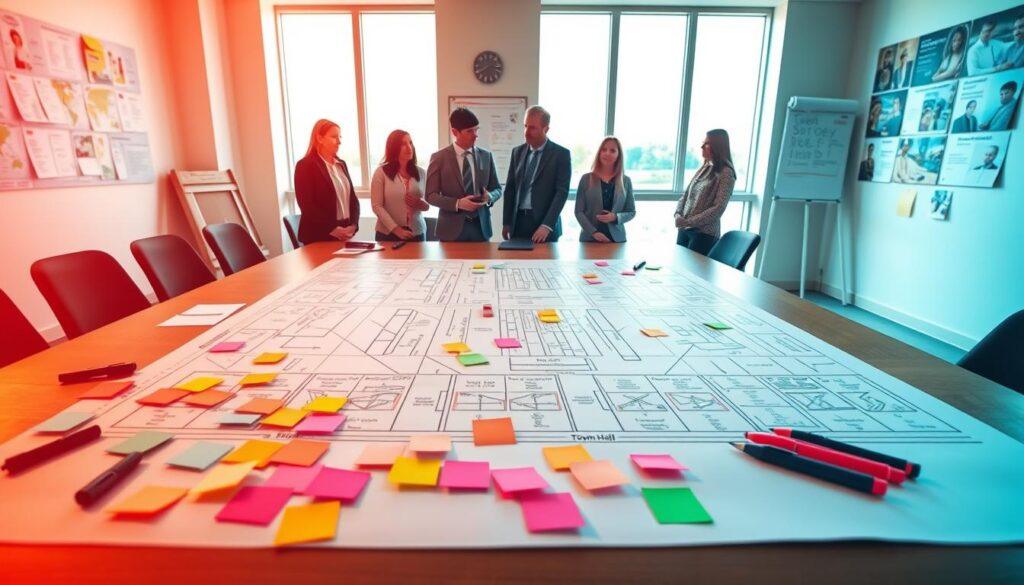
With your team and research ready, ask yourself: what is this for? “To inform” is a good start, but aim for something more specific. Your goal should be clear and focused. A vague goal leads to vague results, wasting everyone’s time.
Next, decide on the event format. This choice affects everything, from the budget to the event’s soul. You can choose in-person, virtual, or hybrid formats. Each has its own challenges and benefits.
Your choice of format will shape the event’s details. Consider the budget, A/V needs, and even entertainment. A good agenda is the best entertainment.
The final plan should be detailed and organized. It should turn a vague idea into a structured event. This way, your town hall can actually make a difference.
Engaging Speakers & Attendees
The secret to a memorable community meeting isn’t found on the slide deck. It’s in the dynamic tension between the podium and the people. This turns your event into a real, two-way political talk. The magic is in the alchemy.
Choosing your speakers is key. It’s not just about titles. You need a mix of people:
- The Sage: The trusted expert with deep knowledge. They add intellectual heft.
- The Storyteller: A community leader or someone with real-life experience. They bring emotional resonance and a local perspective.
- The Skeptic: The voice that offers a different view. They prevent groupthink and spark debate.
This mix reflects your community’s complexity. It ensures the discussion is real and not just from an ivory tower. Your moderator is like a conductor, guiding the conversation. They should be skilled, neutral, and good at balancing the voices.
Now, let’s make the audience active. We’re turning them into participants. It starts when they log on or walk in.
Forget the awkward icebreaker. Instead, offer a warm welcome and a simple question. “Share one piece of personal news—good or bad—from your week.” This connects people and shows you value them.
Technology is your ally for engaging the audience. Tools like Polly for instant polls create feedback loops. Anonymity in Q&A platforms lets everyone ask questions. This turns listening into a dialogue.
Your agenda should be varied. Mix short presentations with video clips. Switch from panels to live surveys. This keeps things interesting and fights boredom.
Rehearsals are essential. A dry run is not optional. It fixes technical issues and helps your moderator practice incorporating feedback into the conversation.
The goal is to make everyone feel heard. When you mix curated voices with audience engagement, you create a real dialogue. This is more than just a meeting; it’s a community conversation that matters.
Q&A Best Practices
Dealing with Q&A at a town hall is like walking a tightrope over alligators. One wrong step, and you’re in trouble. This is where your story meets real questions from the audience.
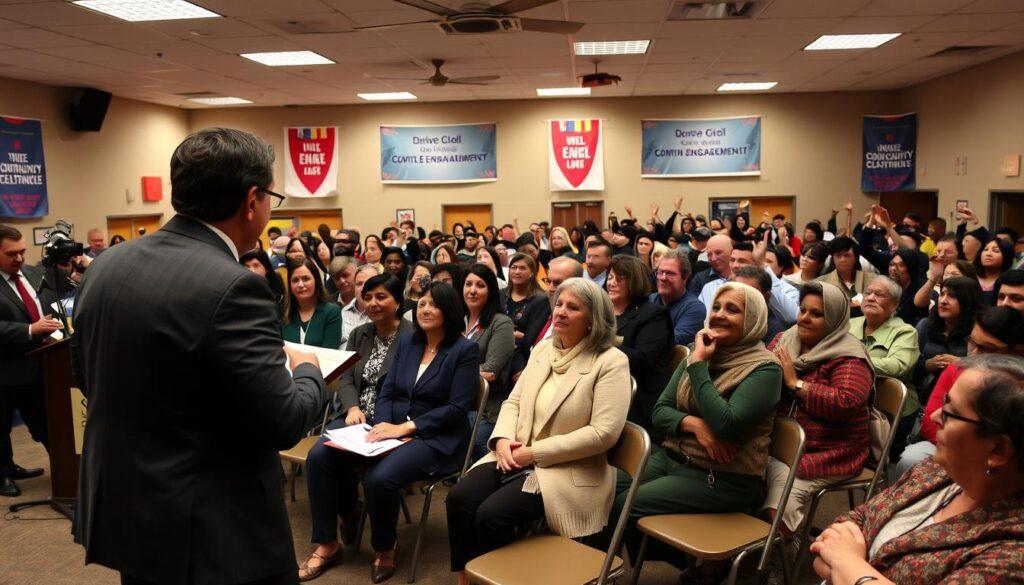
The speeches are like an appetizer. The Q&A is the main course, and it can be spicy. Your goal is to make the conversation helpful, not just a fight.
Always, without fail, invite questions after your speech. This is not just a formality; it’s the start of the real discussion.
Logistics are important. Give 30 minutes for questions if you’re running a panel. Use microphones to make sure everyone can be heard. The moderator’s job is to manage the flow of questions.
Dealing with tough questions is key. Don’t try to avoid them. Instead, show respect and promise to follow up. This shows leadership.
The moderator must balance openness and control. Let dissent be heard but keep the conversation on track. Use the “parking lot” method for off-topic questions.
Wrapping up is an art. Summarize the main points and talk about what to do next. This gives the conversation direction.
The Q&A is where transparency is tested. A session with only soft questions feels fake. But a lively, respectful exchange is where real politics happens. It’s the heart of democracy, and it needs to be heard.
Post-Event Follow-up
The final speaker leaves the stage. The livestream ends. This is where the most common mistake begins: treating the event as finished. The real work starts when the applause fades. A town hall without follow-up is like fireworks—spectacular for a moment, then just smoke and memory.
Your first move is the debrief. Gather your key planners and panelists within two weeks. Ask the unvarnished question: “Did we actually move the needle?” Assess what worked and what fizzled. This isn’t about blame. It’s about being honest for your next community meetings.
Next, build a tangible action plan. Turn the night’s energy into a document. Summarize key discussions and outline clear next steps. Are there policy recommendations? Specific outreach tasks? This plan converts community talk into a roadmap for change. It shows you listened.
Use tools like automated polls from Polly to gather after-meeting feedback. What did attendees really think? This data fuels continuous improvement for future town halls.
Ultimately, this follow-up is your catalyst. It builds momentum for ongoing advocacy work. It proves your town hall wasn’t a one-off performance but a recurring chapter in a longer story. You demonstrate that community meetings matter because action follows words.