On Saturday, July 25, 2026, Civic Engagement was not presented at Gunston Hall as a distant government idea. It was shown through craft, message-making, and public expression. The Summer Saturdays – Crafting Our Voices program used hands-on activities to connect residents and visitors with ways people have shared political and social viewpoints over time. For local communities, that past-tense event offers a useful civic lesson: public voice often begins in accessible places, with ordinary tools, before it reaches a council chamber, school board meeting, ballot, or public hearing.
The civic value of the program is not that button making or weaving replaces formal participation. It is that these activities can help people recognize themselves as participants in public life. Grassroots campaigning, neighborhood advocacy, and local governance all depend on residents believing their voices belong in the record. A museum program cannot decide a county budget or change a local ordinance, but it can help people practice the habits that make later participation less intimidating.
What Changed At Gunston Hall On July 25, 2026
A Public History Program Centered On Voice
Gunston Hall’s Summer Saturdays – Crafting Our Voices was held on Saturday, July 25, 2026, from 10:00 a.m. to 4:00 p.m.; the event focused on how people across 250 years used crafts such as knitting, weaving, button making, and coded messaging to express political and social viewpoints, according to the Gunston Hall event page. That framing matters for local civic life because it places public voice in daily practice rather than limiting it to campaign seasons or formal meetings.
Residents often meet government through paperwork, deadlines, agendas, and public comment rules. Those tools are necessary, but they can feel closed off to people who have never spoken at a meeting or contacted an official. A public history program built around expression offers another entry point. It can show that advocacy has long included signs, symbols, shared language, and community-made objects that carry a message from one person to another.
Why Craft Belongs In Grassroots Campaigning
Grassroots campaigning usually depends on repeat contact: conversations with neighbors, visible signals of support, meeting reminders, and clear explanations of what public decision is at stake. The methods highlighted at Gunston Hall connect to that same civic pattern. A button, banner, letter, handmade item, or coded message can help people identify shared concerns before they are ready to speak in a formal setting.
That does not make every handmade object a policy proposal. It does mean that communities should pay attention to the early signs of civic energy. Local organizers, library staff, historical sites, school groups, and neighborhood associations can use creative activities as low-pressure ways to ask residents what they care about. Those concerns can then be connected to the proper public office, board agenda, or service request process.
Why Civic Engagement Begins Before Election Day
Civic Engagement Starts With Local Contact
Voting remains one of the most visible measures of public participation, but local influence is also shaped by what happens between elections. The Volunteering and Civic Life in America report for September 2022 through 2023 found that 53% of U.S. adults voted in the most recent local elections, representing just over 123 million voters; the same report found lower rates for donating to political causes at 7%, contacting public officials at 9%, and attending public meetings at 9%, according to the AmeriCorps civic life report.
Those figures point to a gap that local governments and civic groups can act on. Civic Engagement is not only a turnout issue. It is also a contact issue, a meeting-access issue, and a public-information issue. If many residents vote but fewer attend meetings or contact officials, local agencies should make it easier to identify when decisions are being made and how comments can be submitted.
Public Meetings Need Plain Entry Points
For a city council, county board, school board, planning commission, or public works department, the next civic step is practical: publish clear agendas, explain comment rules, name the decision being considered, and say whether public input will affect the outcome. Residents should not have to understand every procedural rule before they can ask whether a road project, zoning change, library program, park plan, or school policy affects their neighborhood.
Community groups can help by translating public notices into plain language without taking a partisan position. A neighborhood newsletter might say which meeting includes a stormwater item. A parent group might share the date of a school board work session. A historical site or civic education program might connect past public expression with present-day ways to be heard. For additional insights on similar civic initiatives, readers can explore community-focused coverage at One United Michigan.
Turning Historical Voice Into Local Practice
From Expression To Public Record
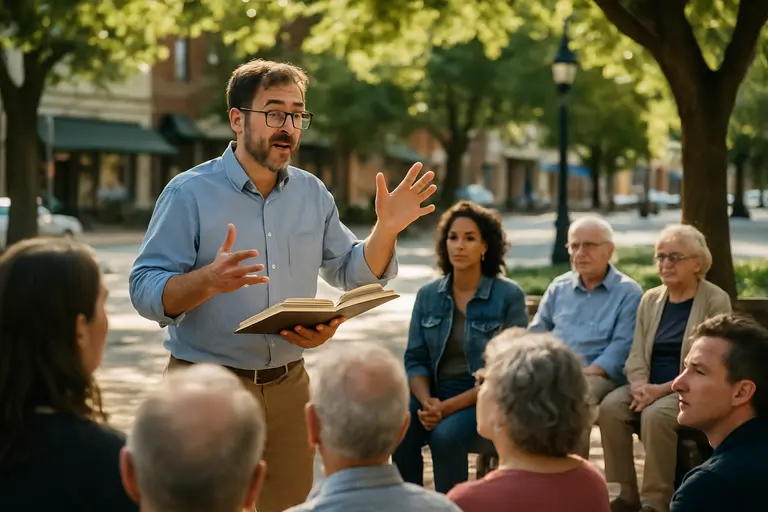
The Civic Engagement lesson from Crafting Our Voices is strongest when expression is connected to a public record. A poster, button, or craft table can open a conversation, but local change usually requires residents to identify the agency with authority, submit comments by the deadline, attend the meeting where the item appears, or follow up after a vote. That is where grassroots campaigning becomes civic participation rather than only awareness.
Residents can use a simple chain of action. First, name the local issue. Second, identify the public body that can act. Third, find the meeting agenda or staff contact. Fourth, share a clear comment tied to the decision. Fifth, check the minutes, recording, or adopted action after the meeting. This approach keeps public participation grounded in facts and public documents.
- For a road or sidewalk concern, start with the city, county, or public works contact listed for transportation or maintenance.
- For a school issue, look for the district board agenda, committee schedule, and public comment rules.
- For land use, review planning commission notices, staff reports, and hearing dates before the vote.
- For parks, libraries, or local programs, check advisory board meetings and budget documents.
How Local Institutions Can Reduce Barriers
Museums, libraries, civic centers, schools, and neighborhood groups can support participation without endorsing candidates or parties. They can host issue-neutral workshops on how to read an agenda, write a public comment, find a district office, or track a local budget item. They can also offer history-based programs that remind residents that public voice has taken many forms across generations.
This is especially useful for residents who care about an issue but are unsure where to begin. A person may be ready to volunteer at a park cleanup before attending a parks board meeting. Another resident may make a sign for a local safety concern before learning how to file a service request. These early actions should be treated as entry points, not lesser forms of participation.
Crafting Our Voices And Local Civic Steps
Civic Engagement is strongest when residents can move from expression to action without being shut out by unclear process. Gunston Hall’s July 25, 2026 program showed how history, creativity, and public voice can sit in the same room. The next step for local communities is to connect that energy to agendas, meetings, public records, and decisions that affect daily life.
For residents, the practical takeaway is direct: choose one local issue, find the agency responsible, read the next agenda, and submit a comment or attend a meeting when the matter is scheduled. For local institutions, the responsibility is just as clear: make those steps easier to find, explain them in plain language, and welcome first-time participants as future civic partners.