Forget waiting for a superhero in a suit to descend from Capitol Hill with all the answers. Real change often starts on your street, not in a marble hallway.
So, what is this people-powered engine? At its core, it’s community-driven effort. It’s the moment when ordinary citizens decide “I’m mad as hell” should become “We’re doing something about it.”
Think community organizing, protests, petition drives, and digital campaigns. This is the opposite of top-down directives. It’s pressure cooked from the ground up.
In the world of public affairs, this bottom-up pressure is the gold standard for authentic lobbying. It’s democracy’s version of a block party, but you’re bringing policy change instead of potato salad.
From the Civil Rights sit-ins to the digital swarm of a hashtag campaign, this is the kryptonite to political apathy. It turns everyday frustration into formidable, collective action. Ready to see how it works?
Building a Base
If your advocacy starts and ends with a ‘Sign Our Petition’ button, you’re not building a movement. You’re collecting digital autographs for a cause nobody remembers.
A mailing list is just a database, not a community. Real power in grassroots advocacy comes from turning names into neighbors who support you.
Think of it as organizing a neighborhood watch for policy change. The foundation isn’t a catchy slogan—it’s a genuine conversation.
This is where most efforts fail. They broadcast when they should listen. The magic happens in the back-and-forth, the personal story shared, the specific concern acknowledged.
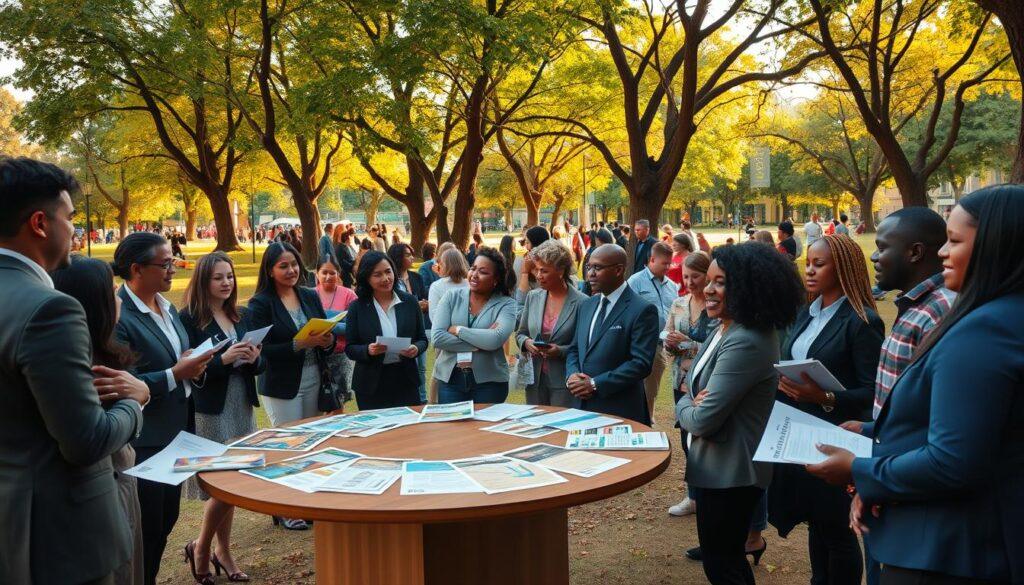
Take the Minnesota-based group MN350. Facing a massive climate bill, they didn’t just blast emails. They used peer-to-peer texting as a digital handshake.
Volunteers sent personalized messages, not generic blasts. They asked questions. They listened to replies. This wasn’t spam; it was a dialogue.
The result? A stunning 22% response rate to their petition drive. More importantly, they recruited new local organizers and gathered rich data on supporter priorities.
This approach transforms a broad audience into a segmented, understood network. You learn who’s passionate about clean energy jobs versus environmental justice.
But how do you scale that personal touch? You can’t have 500 organizers making 500 personal calls each day. This is where smart automation enters the chat.
Customer Relationship Management (CRM) tools, like CallHub or HubSpot, become the unsung hero. They’re the force multiplier for your community organization.
These systems let you manage thousands of contacts while preserving the illusion—and the impact—of a one-on-one connection. Here’s what they do:
- Segment Audiences: Tag supporters based on their interactions, location, or stated interests. This allows for laser-targeted messaging.
- Automate Personal Touches: Schedule follow-up texts or emails based on a person’s previous actions, creating a tailored journey.
- Track Everything: See which messages resonate, which volunteers are most effective, and where your base is strongest.
This isn’t about replacing the human element. It’s about freeing organizers from admin hell so they can do what they do best: build real relationships.
The key to a real grassroots advocacy campaign is using technology to enable whispers, not shouts. You’re not talking at a crowd; you’re having 50,000 quiet, persuasive conversations at once.
Once this foundation of trust and data is laid, you don’t just have a list. You have an army of informed, engaged individuals ready for the next ask. That’s a base.
Volunteer Recruitment
The most powerful grassroots advocacy movements aren’t built on faceless crowds. They’re built on personal stories and names. You’re not just hiring; you’re gathering people who care deeply because they’ve experienced the issue firsthand. This approach changes everything.
So, where do you start? Look for people who have been personally affected. Their stories are your proof. A retiree concerned about park funding has more impact than a political science student with theories. Start with them.
Now, the slightly awkward part: asking. Forget about mass emails and social media posts that get lost. The real magic happens in personal conversations. It might feel like a transaction, but it’s not. You’re giving someone a chance to be part of something important. That’s a compliment.
This isn’t a new strategy. The Moral Majority didn’t create churchgoers; they organized them. The Indivisible guide empowered thousands of local groups. Your volunteers are already out there. Your job is to recognize them and invite them to join.
You can’t ask a stranger to take on too much at first. That’s why you need a ladder of engagement. It’s like a gentle staircase, not a steep cliff. It helps people start small and grow.
At the bottom rung? Signing a one-click petition. The next step? Sharing a post. Then, maybe attending a 30-minute Zoom meeting. Each “yes” builds confidence. The signer today might become a volunteer tomorrow. You’re asking for small steps, not a lifetime commitment.
Make these first steps feel like invitations, not chores. Use clear goals for each role. What’s the specific task you need help with? Clarity reduces anxiety.
In the end, recruiting for grassroots advocacy is about understanding your community. It’s about seeing the army of volunteers already there and building a bridge to get them involved. It’s done one conversation and one step at a time.
Engaging Local Officials
Effective advocacy isn’t about shouting the loudest. It’s about speaking the language of power with precision. Think of it as moving from a chaotic protest chant to a structured symphony. Every instrument knows its part.
The goal is to make your local official not just hear you, but listen and, ultimately, act.
How do you get there? You start by treating your supporters not as a mob, but as a diplomatic corps. According to the Congressional Management Foundation, staffers found 97% of trained advocates “very prepared.” The Foundation trained over 98,000 citizens. The lesson is clear: preparation wins.
From Constituent to Confident Advocate
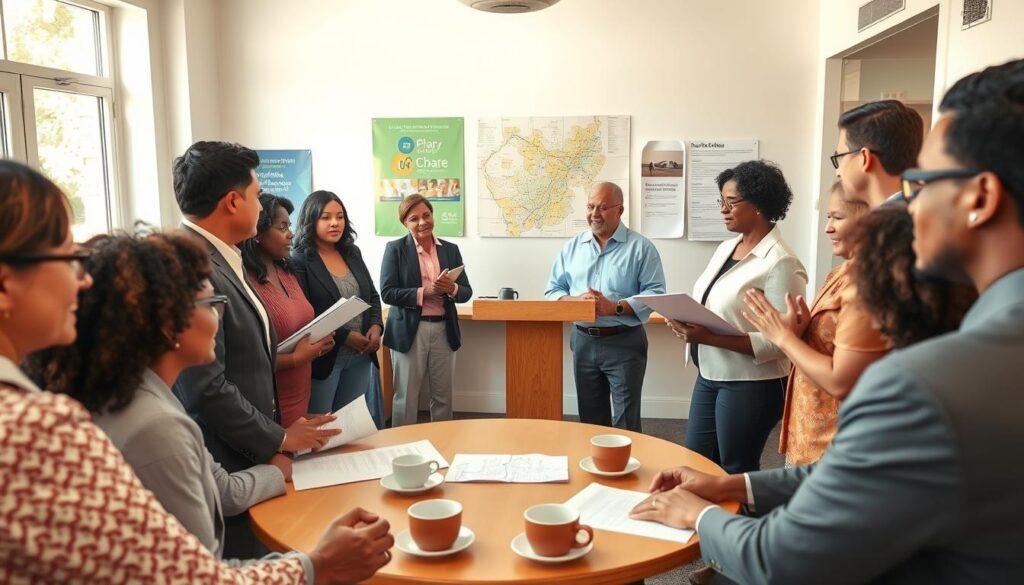
The first step is what I call “Advocate Boot Camp.” This isn’t about memorizing policy papers. It’s about role-playing the actual interactions. We run mock call drills that would make a debate coach proud.
Supporters practice delivering concise talking points, handling tough questions, and staying on message. This training transforms nervous energy into strategic communication. An unprepared caller rambles. A prepared advocate delivers a 90-second pitch that connects a personal story to a policy ask.
Building Your Diplomatic Corps: The Ambassador Program
Once trained, you don’t send your advocates into the fray alone. You organize them. This is where a formal ambassador program within your community organization becomes your secret weapon. Each ambassador becomes a node in a larger network, responsible for mobilizing a smaller group.
This structure borrows from the “snowflake model” of distributed leadership. It’s the same model that scaled volunteer management for the Obama 2008 campaign. One leader trains ten, each of those ten trains five more, and suddenly you have a scalable, resilient force. It prevents burnout and creates multiple points of contact with an official’s office.
| Tactic | Purpose | Practical Example | Expected Outcome |
|---|---|---|---|
| Mock Call Drills | Build confidence and message discipline under pressure. | Role-playing a call to a council member’s aide about zoning changes. | Advocate stays calm, delivers key ask, and collects commitment. |
| Personal Story Banking | Humanize the policy issue with relatable, emotional narratives. | Recording a short video testimony from a small business owner affected by a regulation. | Makes the issue memorable and politically compelling for the official. |
| Stepped “Asks” Strategy | Build rapport through small wins before requesting major action. | First, ask for a 15-minute introductory meeting. Later, request a public statement of support. | Establishes a relationship and demonstrates your group’s seriousness. |
| Ambassador Coordination | Delegate and scale outreach through a clear leadership structure. | An ambassador coordinates five neighbors to write personalized letters on the same issue. | Generates consistent, layered pressure without central micromanagement. |
The Art of Intelligent Pressure
Engagement is a marathon, not a sprint. The smart play is to apply steady, intelligent pressure. Start with smaller, achievable “asks.” Could the official attend a neighborhood coffee? Will they sign a letter of support for a study?
These small victories build political capital and rapport. They turn your community organization from a vague “they” into a known, reliable constituency. When you later make the big legislative request, you’re not a stranger. You’re a partner they’ve already worked with.
This process turns your issue from something easy to ignore into something politically costly to dismiss. It’s the core of how to master grassroots lobbying and influence policy through community. You’re not just presenting a problem. You’re demonstrating organized, persistent, and prepared support that translates directly into votes and public perception.
So, forget the decorative pillow. It’s time to play political chess. Train your pieces, organize your board, and make your move with confidence.
Success Stories
Let’s dive into the real stories of change. Theory is great, but real change happens in the streets and online. These stories are not just inspiring; they show us how to win.
The Civil Rights Movement is a prime example. It didn’t rely on vague hopes. Instead, it used specific, bold tactics to make injustice hard to ignore.
The sit-ins were more than protests. They were clear messages of moral contrast. Students, dressed nicely, asked for coffee, facing mobs. The marches, like Selma, aimed to spark national outrage. They wanted a law, not just awareness.
Standing Rock: The 21st-Century Mobilization Machine
Half a century later, Standing Rock showed us modern grassroots advocacy. It combined Indigenous rights, environmental justice, and climate activism. This mix created a powerful story.
The tactic was a physical camp that became a global symbol. Live streams and hashtags like #NoDAPL mobilized people. The story was personal, about protecting land and water. It turned a local issue into a global scandal.
The Ice Bucket Challenge: Viral Alchemy for a Cause
The Ice Bucket Challenge was a game-changer. It turned grassroots advocacy into a fun, viral movement. It used joy and humor to raise money for ALS research.
In 2014, social media was filled with friends dumping ice water. The challenge was simple: film yourself, donate, and nominate others. This created a chain reaction, raising over $115 million. It showed that a fun, personal story can be incredibly powerful.
The Common DNA of People-Powered Wins
What connects these campaigns? They all share a common strategy.
- The Unforgettable Story: Each campaign had a compelling human story. A student denied service, a protector praying, a friend laughing for a cure.
- Strategic Emotion: They used emotions like outrage, solidarity, and hope to connect with people.
- The Tangible Goal: They aimed for clear victories, like laws or research funds. This focus kept them on track.
This is the essence of grassroots advocacy. It’s about telling a story that resonates and drives change. Now, how can you use this strategy?
Action Steps
Let’s move from talking to taking action. Think of this as your guide for making a difference in the world.
First, set a clear goal. “Raising awareness” is vague. You need a specific target, like getting 10,000 signatures for a bill. This focus is key for any community effort.
Then, build your team. You’re not alone in this fight. Work with local leaders, advocacy groups, and even skeptical business owners. A strong team boosts your credibility.
When you meet with a legislative aide, be ready. Bring a clear ask, data, and a personal story. This combination makes your case strong. For more on this, check out this guide on effective grassroots advocacy campaigns.
Use digital tools to your advantage. Track supporters with a CRM and use LegiStorm to understand the political scene. Social media can rally your supporters quickly.
Follow up consistently. Change takes time and effort. Keep track of your progress and adjust your strategy as needed.
For lasting change, build a strong community organization. Train new advocates, document your successes and failures, and care for your partnerships. Now, it’s time to take action.